The Warsaw Pivot: Trump’s Troop Surge to Poland Signals a New Era of Transactional Diplomacy
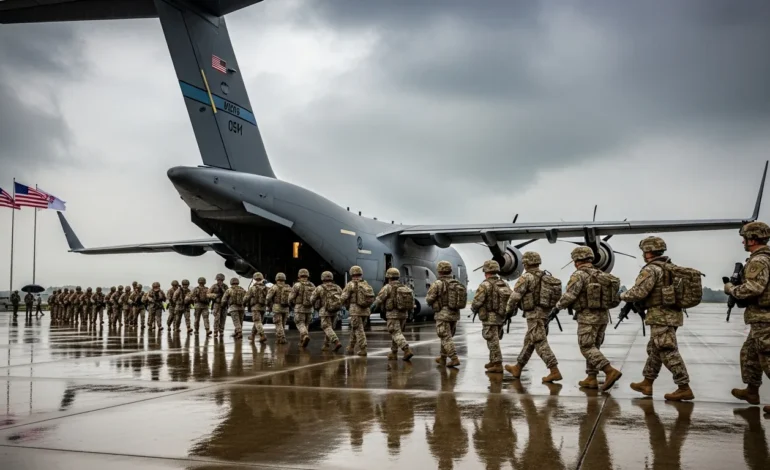
Since the signing of the North Atlantic Treaty in 1949, the distribution of American military personnel has served as the definitive barometer of transatlantic security priorities. President Donald Trump’s order to deploy 5,000 additional U.S. troops to Poland this June signals a decisive shift in that equilibrium, favoring Eastern European partners over traditional Western allies.
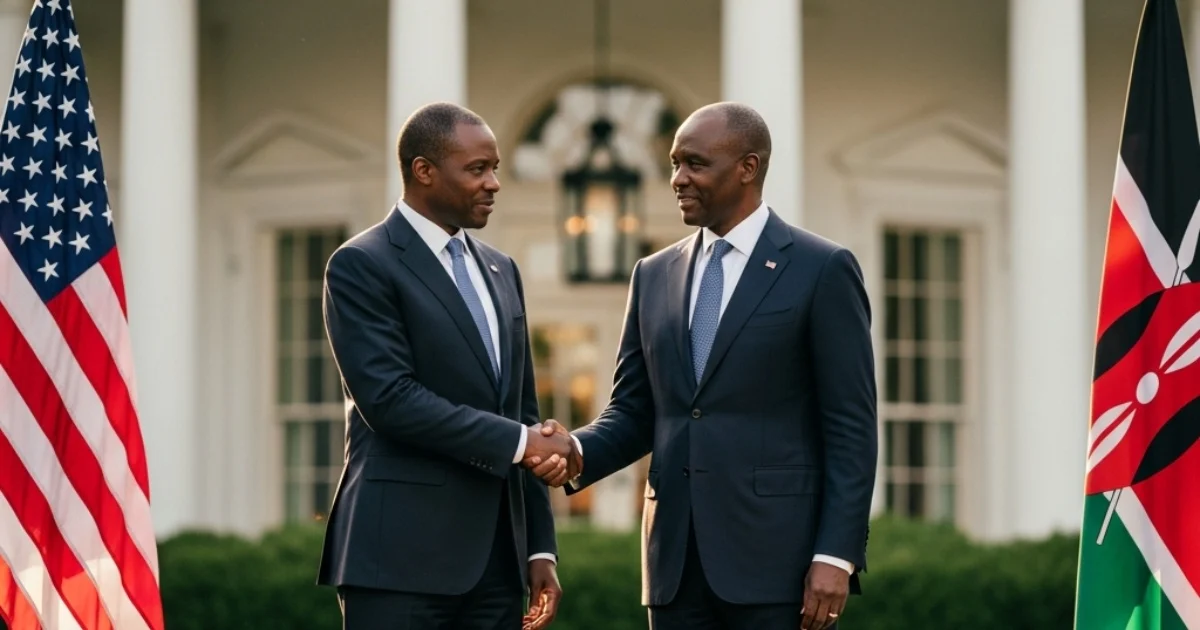
The decision follows the 2025 election of right-wing Polish President Karol Nawrocki, whose administration has aggressively sought a permanent American presence as a primary deterrent against regional threats. While the Polish government has formally welcomed the arrival of armored units and support personnel, the rapid shift in posturing has left several NATO allies expressing bewilderment over the stability of U.S. commitments.
A Strategic Realignment Toward the Vistula
This surge in personnel into Poland represents a significant restructuring of military focus toward nations that meet or exceed NATO defense spending targets. Trump cited frustration with European nations for not ‘stepping up’ their financial and military contributions as a primary catalyst for the reallocation of American assets.
The deployment includes armored units and support personnel sourced directly from bases within the continental United States. This move effectively bypasses the traditional reliance on long-standing hubs in Western Europe, reinforcing a bilateral security model that rewards political and fiscal alignment with Washington.
The Breakdown of the Berlin-Washington Axis
The influx of personnel into Poland mirrors a simultaneous withdrawal of 5,000 troops from Germany, a decision that has drawn sharp condemnation from Chancellor Friedrich Merz. Merz characterized the U.S. military posture as inconsistent, suggesting that Washington is being “humiliated” in its ongoing confrontations with Iran while neglecting its foundational European bases.
Defense Secretary Pete Hegseth facilitated this transition by halting a previously scheduled troop rotation just one week prior to the surge announcement. The administration appears to be leveraging troop movements as a diplomatic tool, signaling that the ‘America First’ policy will prioritize allies who offer the least resistance to U.S. global objectives.
Domestic Scrutiny and NATO Cohesion
Democratic leaders in the House have already called for formal hearings to investigate the sudden nature of the deployment and its impact on long-term regional stability. Critics argue that the transactional nature of these movements risks undermining the collective defense principle that has anchored the alliance for nearly eight decades.
As the 2026 midterms approach, the administration’s military restructuring serves as a tangible manifestation of a foreign policy that views security guarantees as assets to be managed rather than static obligations. This tactical mercantilization of the U.S. security umbrella may force a broader European reassessment of strategic autonomy as the center of gravity shifts toward Warsaw.
Related Coverage
- Trump Threatens Iran Strikes Amid Strait of Hormuz Tensions
- U.S. Weapons Stockpiles Reach Critical Lows Amid Global Conflicts
Frequently Asked Questions
Which specific military units are involved in the deployment?
The deployment primarily consists of heavy armored units and essential support personnel drawn from various installations within the continental United States (CONUS), rather than rotating forces already stationed in Europe.
How does this deployment affect Poland’s status within NATO?
The move elevates Poland to a primary strategic hub for U.S. operations in Eastern Europe, rewarding the Nawrocki administration for its high defense spending and political alignment with the ‘America First’ agenda.
What was the specific context of Chancellor Merz’s ‘humiliation’ comment?
Chancellor Friedrich Merz referred to the perceived diplomatic and military difficulties the United States has faced in its confrontation with Iran, using the term to highlight what he views as a weakening of American global influence.
What is the timeline for the arrival of the 5,000 additional troops?
The deployment is scheduled to begin in June 2026, following the logistical preparations initiated after Defense Secretary Hegseth’s memorandum halting previous rotations.