Utilities Automation: What It Is, How It Works, and Where It Pays Off
Key takeaway
Utilities automation means using sensors, remote-controlled equipment, and software to run electricity, water, and gas networks with far less manual work. Smart meters, SCADA systems, and distribution automation help utilities find outages and leaks faster, cut operating costs, and integrate renewables — and as grids grow more complex, automation is quickly becoming the industry standard.
What utilities automation actually covers
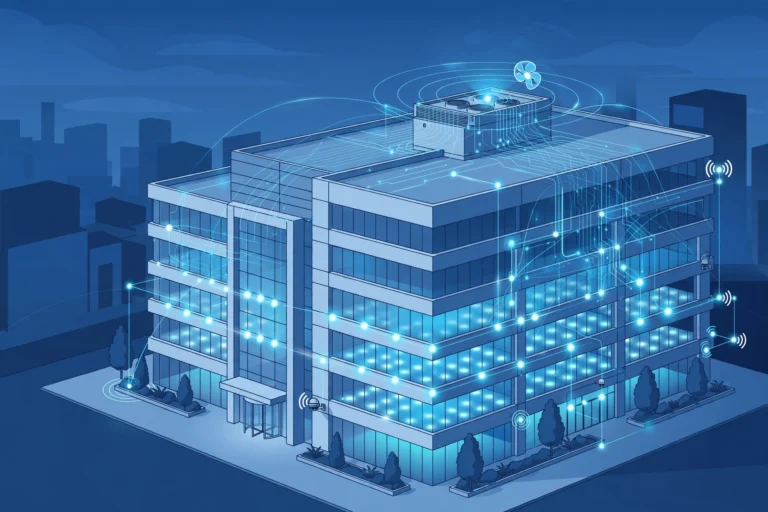
The keyword “utilities automation” sounds like one thing, but it covers a family of technologies across electricity, water, and gas. On the power side, the big pieces are distribution automation (remotely monitoring and controlling the equipment that delivers power to homes), smart meters with two-way communication, substation automation, and advanced distribution management systems — the software brains that coordinate it all.
Water and gas utilities automate differently but with the same goal. They deploy smart meters for accurate billing, pressure and flow sensors to find leaks, and SCADA (supervisory control and data acquisition) systems that give operators a live view of the whole network so they can prevent problems before they start.
How the layers fit together
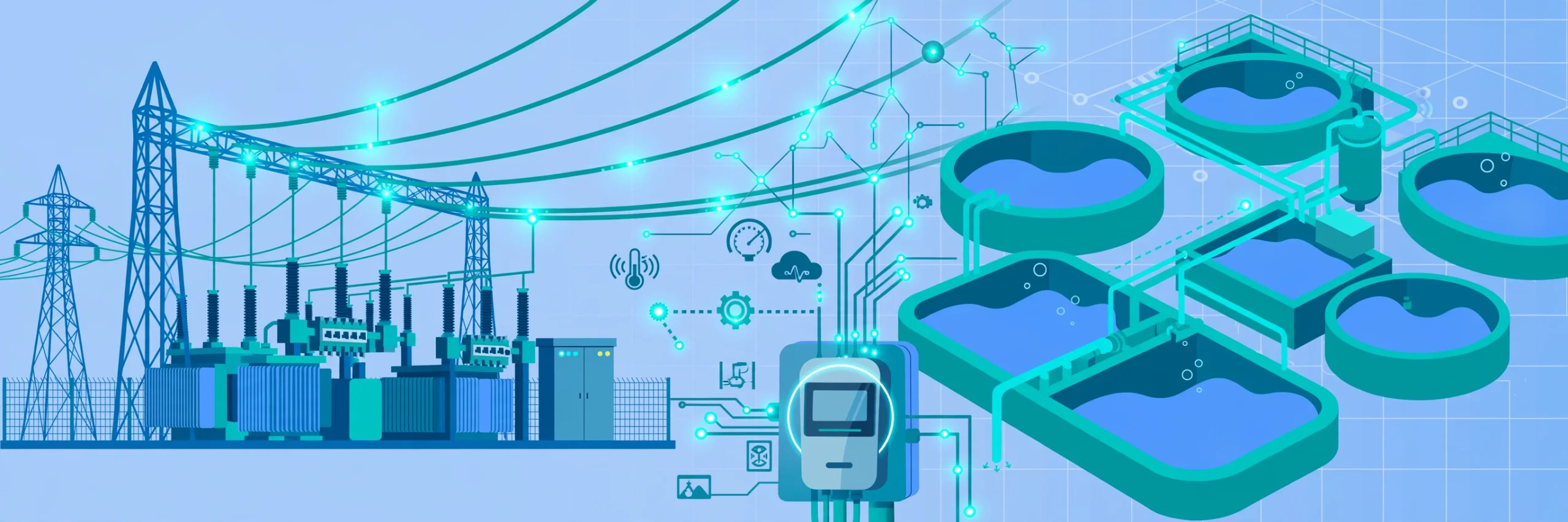
Think of it in three layers. At the bottom are field devices: sensors, automated switches, reclosers, and smart meters installed across the network. In the middle are communication networks that carry their readings back and forth. At the top is control software — distribution management and outage management systems that analyze the data and either act on their own or hand clear instructions to operators.
One of the most important functions at the top layer is fault detection, isolation, and restoration (FLISR): when a line fails, the system finds the fault, isolates the damaged section, and reroutes power around it — often in seconds. That is the technology behind the “self-healing grid” you hear utilities talk about, and it is why a single fallen branch no longer has to mean a six-hour outage for a whole neighborhood.
Why utilities are automating now
The numbers explain the rush. DTE Energy reported that its smart grid devices had prevented more than 16,000 outages across its service territory so far in 2025, and it plans to install over 675 new reclosing devices by the end of the year — part of a five-year, $10 billion reliability plan with a goal of cutting outages 30% by 2029. The same logic is spreading across industry: as we have covered in AI-driven energy optimization in manufacturing, data-driven automation now delivers measurable savings wherever energy is used at scale.
On the water side, the driver is lost water. Research cited by smart-water analysts puts non-revenue water — water treated but never billed, mostly through leaks — at around 30% of global system input, costing up to $39 billion. Hourly data from smart meters lets utilities balance water use, catch hidden leaks early, and even detect backflow events that could threaten water quality.
Two bigger trends are pushing everyone faster. Renewables like solar and wind make electricity supply variable, so the grid needs automation to balance it in real time. And electric vehicles add heavy, concentrated loads that smart charging management must schedule away from peak hours.
What it changes for you
Most people will notice automation through their bill and their phone. Smart meters mean you are billed for actual usage, not estimates, and many utilities now offer portals or apps with hourly usage data, leak alerts, and time-of-use rates that reward shifting heavy use off-peak. Fewer and shorter outages are the other payoff — you may never know the fault happened because a recloser rerouted power before you noticed.
Analysis: the hard parts utilities still face
The following is analysis, not verified fact. Automation solves a lot but creates new problems. Every connected sensor is a potential attack surface, and cybersecurity is now a core utility skill rather than an IT afterthought. Legacy systems are another headache: a utility’s oldest substations can be decades old, and retrofitting them to talk to modern software is expensive and slow — the same implementation discipline that separates good industrial automation projects from stalled ones. And the data itself is a challenge: raw readings from millions of meters are noise unless analytics turn them into decisions.
Frequently asked questions
What is utilities automation in simple terms?
Utilities automation is the use of sensors, software, and remotely controlled equipment to run power, water, and gas networks automatically. Instead of sending crews to check meters or hunt for faults, utilities get live data and can detect problems, reroute power, and fix leaks from a control room — or let the system do it on its own.
How does grid automation shorten power outages?
Through a function called fault detection, isolation, and restoration. Smart switches and reclosers detect where a fault happened, isolate the damaged section, and reroute electricity around it within seconds. Crews then get the exact damage location, so repairs start faster. DTE Energy says its automated devices prevented over 16,000 outages so far in 2025.
How do smart meters help water utilities?
Smart water meters send near-real-time usage data to the utility, replacing monthly manual reads. The data enables accurate billing, early leak detection through hourly water balances, and alerts for abnormal use. It also cuts non-revenue water — treated water lost mostly to leaks — which analysts estimate at around 30% of global water input.
What are the biggest challenges with utility automation?
The main challenges are cybersecurity, cost, and legacy equipment. More connected devices expand the attack surface, so security must be built in from the start. Automating old infrastructure is expensive and slow, and utilities need strong analytics to turn millions of meter readings into useful decisions. Analysts note that treating automation as an operating change — not just a hardware purchase — is what separates successful projects from stalled ones.
Sources
- Global Distribution Automation Market — Key Trends and Drivers (GII Research)
- DTE Energy’s Smart Grid Devices Prevent More Than 16,000 Outages (T&D World)
- Smart Grid Technology and Applications (EITC)
- AMI Infrastructure: From Water Meters to Business Intelligence (WaterWorld)
- Advanced Metering Infrastructure (Tata & Howard)
- Smart Water Metering: Benefits & Use Cases for US Utilities (Grid)