Venezuelan Death Toll Surpasses 1,400 as Rescue Teams Scour Rubble in Race Against Time
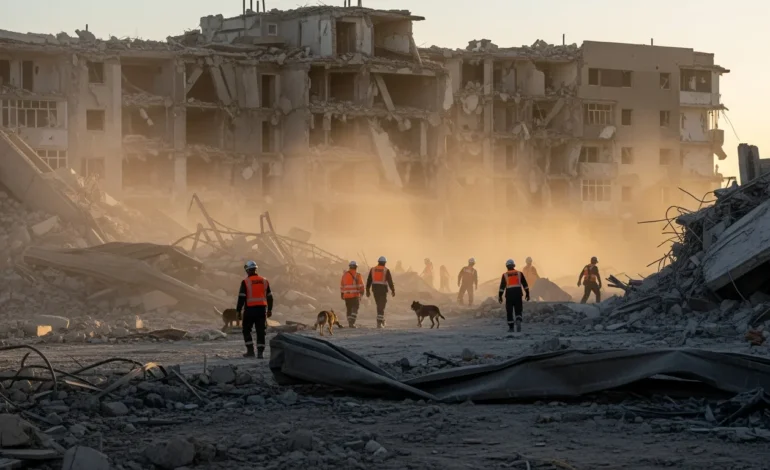
For the thousands of families waiting by the concrete skeletons of Caracas and Valencia, the silence between the aftershocks is the most agonizing part of the ordeal. The confirmed death toll from the catastrophic seismic events in Venezuela has officially climbed past 1,400 as of Sunday morning.
Rescue teams are currently engaged in what authorities describe as a desperate race against time to locate survivors trapped beneath collapsed infrastructure. Search operations were intensified across the most heavily impacted provinces early Sunday as the window for finding life under the debris begins to close.
A Race Against the Rubble
The Venezuelan government has issued an urgent request to neighboring nations for heavy machinery to assist in removing massive slabs of fallen concrete. Local authorities report thousands of injuries, with hospitals in several cities struggling to provide care amid widespread power outages and infrastructure failure.
Communication lines remain severed or intermittent in the hardest-hit zones, leaving many residents unable to contact relatives or call for emergency assistance. Tens of thousands of people have been displaced, seeking refuge in temporary shelters as seismic activity continues to rattle the region.
The Threat of a Secondary Health Crisis
International humanitarian groups, including World Central Kitchen, have arrived to begin large-scale food and water distribution. However, aid workers are warning of a secondary health crisis due to the critical lack of clean water in the disaster zone.
- Over 1,400 confirmed fatalities as of June 28, 2026.
- Tens of thousands of residents displaced into temporary emergency shelters.
- Critical shortages of clean water and medical supplies across multiple provinces.
- Geologists identify the disaster as a rare “doublet” seismic event.
The collapse of key roadways has further complicated the delivery of essential medical supplies to remote areas. Geologists have classified the tremors as a “doublet” event, a rare phenomenon where two major earthquakes of similar magnitude occur in close succession.
Geopolitical Strain on Recovery Efforts
This disaster is now categorized as one of the deadliest seismic events in the history of Latin America. The logistical nightmare of managing two simultaneous epicenters has stretched the nation’s emergency response capabilities to their absolute breaking point.
The tragedy strikes at a moment of extreme diplomatic tension, as the region recently observed heightened legal and economic pressure on the Maduro regime from Washington. These existing political fractures may complicate the speed and coordination of the broader international aid corridor needed for long-term reconstruction.
Related Coverage
Frequently Asked Questions
What exactly is a “doublet” earthquake event?
A doublet earthquake occurs when two large seismic events of nearly equal magnitude happen in the same general area within a short timeframe, often complicating rescue efforts by damaging already weakened structures.
Which cities in Venezuela have been most affected?
While damage is widespread, the most severe infrastructure collapses have been reported in Caracas, Valencia, and surrounding provinces where population density is highest.
How can international donors ensure aid reaches the victims?
Major organizations like World Central Kitchen are establishing direct supply lines for food and water, though the severance of local communication lines remains a primary obstacle for coordinating last-mile delivery.