What is the American National Flower?
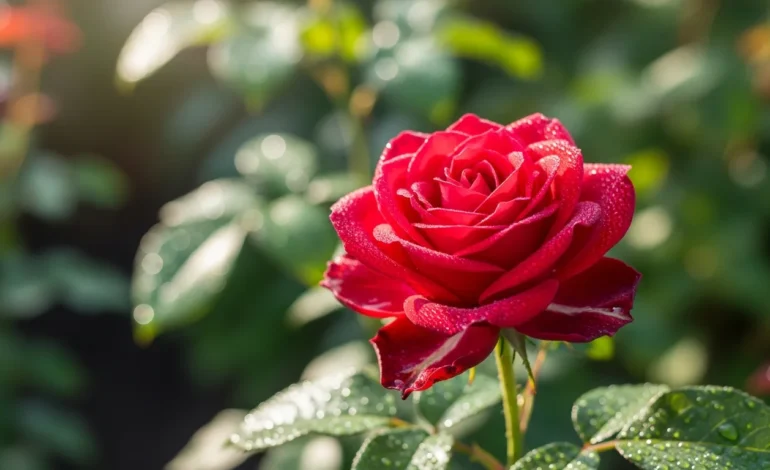
The Official Designation of the Rose
The official national flower of the United States is the rose. This designation was formally established on November 20, 1986, when President Ronald Reagan signed Proclamation 5574 in the White House Rose Garden. The law, codified under 36 U.S.C. § 303, identifies the flower commonly known as the rose as the national floral emblem. Unlike many other national symbols that were adopted during the country’s founding, the rose was the result of a decades-long debate in Congress, ultimately winning over other candidates like the marigold and the corn tassel.
As of June 2, 2026, the rose remains a central figure in American iconography, often appearing alongside other national symbols. For instance, understanding the protocols for the rose is as essential for civic ceremonies as knowing why flags are at half-mast today during periods of national mourning. The rose was chosen because it grows in all 50 states and has been cultivated in American soil since the colonial era, symbolizing life, love, and devotion.
Historical Significance and Symbolism
The selection of the rose was rooted in both botanical history and cultural sentiment. Fossil records indicate that wild roses have existed in North America for over 40 million years, with approximately 20 species native to the continent today. Beyond its ancient roots, the flower held personal significance for the nation’s founders; George Washington was a noted rose breeder, and he even named a variety after his mother, Mary Washington. This deep historical connection helped solidify the rose’s status as a symbol of American heritage.
In modern practice, the rose represents the diversity of the American people. Because the legislation does not specify a single species or color, the emblem encompasses everything from the wild prairie rose to the sophisticated hybrid tea rose. This inclusivity mirrors the nation’s “E Pluribus Unum” motto. As millions of citizens participate in the national travel surge during summer holidays, the sight of roses in public gardens and national parks serves as a living reminder of this shared national identity.
Exceptions and What is NOT Allowed
While the rose is the national floral emblem, there are specific legal and regulatory boundaries regarding its status and use. It is important to distinguish between the national flower and state flowers; while the rose is the national symbol, individual states maintain their own floral emblems, such as the Golden Poppy in California or the Sunflower in Kansas. The national designation does not override or replace these state-level symbols.
- No Specific Variety: Federal law does not mandate a specific color or species. It is incorrect to claim that only “red roses” or “American Beauty roses” are the national flower; the entire genus Rosa is protected under the emblem.
- Foraging Restrictions: Despite its status as a national symbol, picking wild roses in U.S. National Parks is strictly prohibited under 36 CFR § 2.1. Violators can face fines or federal citations for disturbing natural resources.
- Commercial Use: While the rose itself is a public symbol, using the rose in conjunction with the Great Seal of the United States for commercial purposes is restricted under 18 U.S.C. § 713.
- State Sovereignty: The national flower does not mandate that states use the rose for official state business unless they have independently adopted it (as New York and North Dakota have done).
Frequently Asked Questions
When was the rose officially named the national flower?
The rose was officially designated as the national floral emblem on October 7, 1986, when Congress passed a joint resolution. President Ronald Reagan subsequently signed Proclamation 5574 on November 20, 1986, during a ceremony in the White House Rose Garden. This act ended a long-standing legislative debate and provided the United States with a formal floral symbol similar to the bald eagle and the oak tree.
Is there a specific color for the American national flower?
No, the federal legislation does not specify a color for the national rose. While red roses are frequently used in patriotic displays to match the American flag, the designation applies to all colors and varieties within the genus Rosa. This allows for a broad representation of the flower, including white, pink, yellow, and even multi-colored varieties that grow across different American climates.
How does the national flower differ from the national tree?
The national flower is the rose, while the national tree is the oak. The oak was designated much later, in 2004, following a nationwide vote hosted by the National Arbor Day Foundation. While both are national symbols, they are governed by different sections of the U.S. Code. The rose symbolizes beauty and devotion, whereas the oak was chosen to represent the nation’s strength and longevity.
Can I plant the national flower in my home garden?
Yes, planting roses is encouraged as a way to celebrate national heritage. There are no federal permits required to grow roses on private property. Gardeners often choose varieties like the ‘Mister Lincoln’ or ‘Peace’ rose for their historical and symbolic value. However, if you live in a managed community, you should check local Homeowners Association (HOA) guidelines regarding specific landscaping requirements or restrictions on thorny plants.