Understanding Cardinal Dolan’s Resignation: Process, Canon Law, and Transition
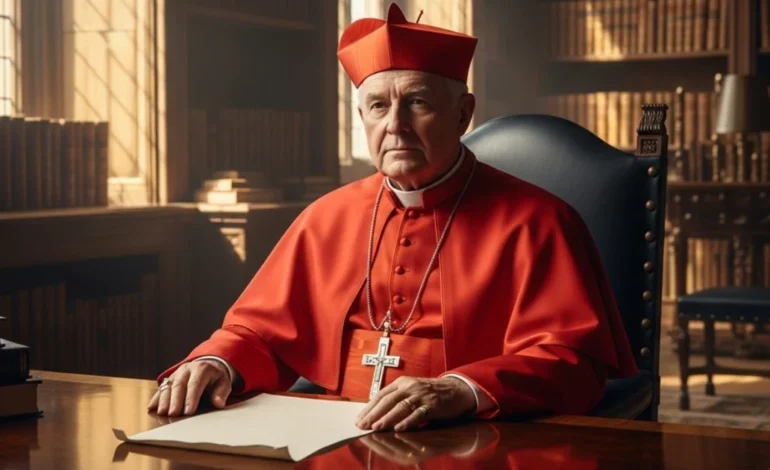
The Transition of Leadership in the Archdiocese of New York
As of May 2026, the religious landscape of New York is undergoing a significant shift as Cardinal Timothy Dolan moves through the formal process of resignation from his position as the Archbishop of New York.
For many observers, the departure of such a prominent figure raises questions about the underlying reasons and the future of the American Catholic Church. However, this is not a sign of crisis, but the fulfillment of long-standing ecclesiastical regulations.
This transition occurs during a busy period for the United States, as the national travel surge for Memorial Day 2026 sees millions visiting the city. Many have long associated the iconic St. Patrick’s Cathedral with Dolan’s leadership.
Cardinal Dolan, who has served as a charismatic leader since 2009, reached the age of 75 in early 2025. This guide explores the canonical, personal, and procedural factors involved in this historic leadership change.
Frequently Asked Questions
Why did Cardinal Dolan submit his resignation?
Cardinal Dolan submitted his resignation due to a mandatory administrative requirement. Under the Code of Canon Law (Canon 401 §1), all Catholic bishops must submit their resignation to the Pope upon reaching the age of 75.
- Age Milestone: Cardinal Dolan celebrated his 75th birthday on February 6, 2025.
- Not Immediate: Submission is mandatory, but the Bishop does not cease duties until the Pope officially accepts it.
- Transitional Period: The Pope often asks bishops to continue serving temporarily while a successor is chosen.
Is the resignation related to any health issues or scandals?
No, there is no evidence or public report suggesting the resignation is tied to health complications or scandals. It is strictly a routine, age-based canonical milestone designed to ensure orderly transitions.
- Active Schedule: Cardinal Dolan has maintained a highly active public and media presence throughout 2025 and 2026.
- Following Precedent: He is simply following the standard retirement path set by predecessors like Cardinal Edward Egan.
- Transparency: This predictable process provides administrative stability to the faithful.
What is the role of Canon Law in this resignation process?
Canon Law serves as the legal framework for the global Catholic Church. Canon 401 prevents diocesan governance from becoming a lifetime appointment, allowing for new energy and perspectives in leadership.
- Dignified Exit: It provides a respectful and standardized retirement process for aging prelates.
- Papal Discretion: Once submitted, the Pope has full authority to accept, delay, or reject the resignation.
- Prioritizing the Diocese: The law ensures the spiritual needs of major cities like New York take precedence over individual tenure.
How is a successor for the Archdiocese of New York chosen?
The selection is a rigorous, confidential process led by the Apostolic Nuncio (the Pope’s U.S. representative). The Nuncio compiles a list of three potential candidates, known as the “terna,” for Vatican review.
- Gathering Input: The Nuncio consults bishops, priests, and laypeople to identify strong candidates.
- Vatican Review: The Dicastery for Bishops analyzes the candidates’ theological and administrative backgrounds.
- Final Decision: The Pope reviews the recommendations and makes the final, unbound appointment.
Will Cardinal Dolan remain a Cardinal after he retires?
Yes, Cardinal Dolan will retain the distinct title, rank, and honor of Cardinal for life. While he will step down as Archbishop, his membership in the College of Cardinals is permanent.
- Papal Elections: As long as he is under 80, he remains eligible to vote in a Conclave to elect a new Pope.
- Advisory Role: He can continue serving the global Church in various Vatican congregations.
- General Congregations: Even after turning 80, he retains the right to participate in preparatory meetings for a conclave.
What are the duties of an Archbishop Emeritus?
Once a successor is installed, Cardinal Dolan will become “Archbishop Emeritus.” His role will shift entirely from active administrative governance to spiritual and sacramental service.
- No Administrative Power: He will lose jurisdictional authority to manage finances, make appointments, or set policy.
- Sacramental Duties: He will likely continue celebrating Mass, performing Confirmations, and leading retreats.
- Elder Statesman: He will serve as a respected figure providing continuity and support to his successor.
How does this resignation affect the Catholic community in New York?
The resignation marks the end of an era defined by Dolan’s highly public and accessible leadership style. However, for the average parishioner, daily spiritual and parish life will remain largely unchanged.
- Sede Vacante: If a successor isn’t named immediately, a temporary administrator manages the Archdiocese.
- Future Direction: The new Archbishop’s appointment will signal the future priorities of the local church.
- Community Reflection: It creates a natural period of anticipation for the faithful regarding the Church’s future.
Can the Pope ask Cardinal Dolan to stay longer?
Yes, the Pope has the absolute authority to ask a Bishop to remain in his post past the age of 75. This often happens if the Bishop is healthy or a successor isn’t ready.
- Historical Precedent: Cardinals in major cities have sometimes stayed until age 77 or 78.
- Recent Trends: Pope Francis has recently favored more timely retirements to encourage generational shifts.
- 2026 Timeline: Ongoing discussions suggest the Vatican is nearing a decision to balance local needs with strategic goals.
What is the significance of New York in the American Catholic Church?
The Archdiocese of New York is widely considered the “prestige see” and the cultural capital of American Catholicism. Its leadership transition is a matter of intense national and global interest.
- Visible Leadership: The Archbishop is often the most prominent face of the U.S. Church on national media.
- Global Interactions: The role frequently involves interacting with global leaders at the United Nations.
- Strategic Signal: The Vatican’s choice of successor strongly signals the future direction of the American Church.
What happens to the administrative staff during this transition?
During the transition, the central administration (the Chancery) continues to function, but its powers are strictly limited under the canonical rule of “let there be no innovations” (Sede Vacante Nihil Innovetur).
- Temporary Leadership: A Diocesan Administrator is elected to manage essential, day-to-day operations.
- No Major Changes: The administrator cannot make decisions that would prejudice the future Archbishop’s rights.
- Staff Continuity: Existing staff remain in place until the new Archbishop decides to confirm or replace them.