Why Did the Soviet Union Collapse? A Step-by-Step Historical Analysis
The Primary Drivers of the Soviet Dissolution
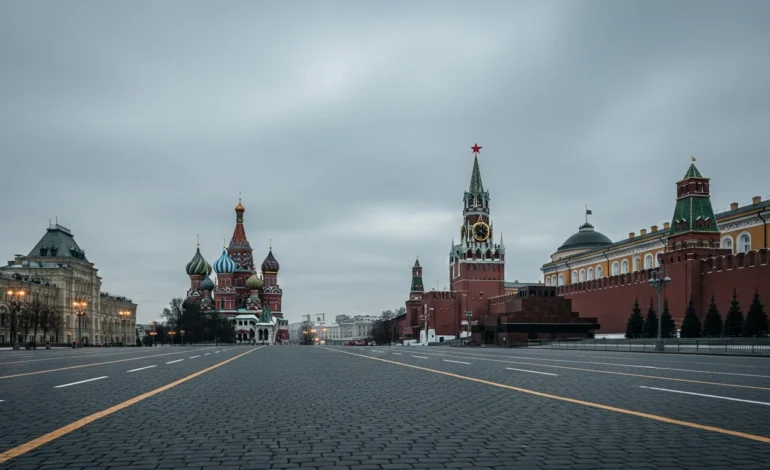
The collapse of the Soviet Union on December 26, 1991, was not a singular event but the culmination of systemic failures across economic, political, and social sectors. By the mid-1980s, the USSR faced a period of profound stagnation characterized by a centralized economy that could no longer meet the basic needs of its population. This decline was exacerbated by an unsustainable military budget, which consumed an estimated 15% to 25% of the nation’s GDP during the height of the Cold War.
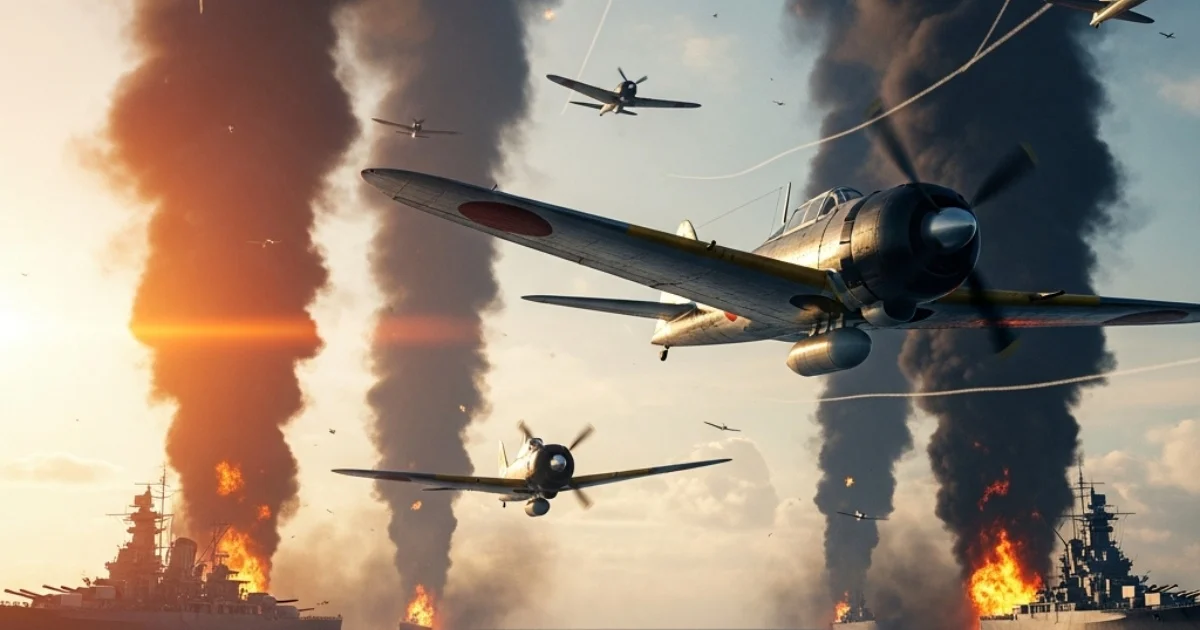
To address these issues, Mikhail Gorbachev introduced two radical reform programs: Glasnost (openness) and Perestroika (restructuring). While intended to modernize the socialist state, these policies inadvertently dismantled the fear-based mechanisms that held the diverse republics together. Much like the strategic shifts analyzed in the historical guide on why Japan attacked Pearl Harbor, the Soviet leadership’s attempts to reposition their global standing ultimately led to a total systemic breakdown.
Step 1: Economic Stagnation and Resource Depletion
The Soviet command economy suffered from chronic inefficiencies, including a lack of technological innovation and a massive black market. Central planners prioritized heavy industry and military hardware over consumer goods, leading to widespread shortages of food and basic necessities. By 1990, the Soviet GDP was shrinking, and the state could no longer subsidize the satellite nations in Eastern Europe that served as its geopolitical buffer.
- Military Overextension: The decade-long war in Afghanistan (1979–1989) drained billions of rubles and demoralized the Red Army.
- Oil Price Volatility: A sharp drop in global oil prices in the mid-1980s deprived the Kremlin of the hard currency needed to import food.
- Technological Gap: The USSR failed to keep pace with the Western digital revolution, leaving its industrial base obsolete.
Step 2: The Failure of Glasnost and Perestroika
Gorbachev’s Glasnost policy allowed for unprecedented freedom of speech and the press, which exposed decades of government corruption and the true extent of the country’s economic misery. Perestroika attempted to introduce market-like reforms into the socialist system, but these changes were too slow to produce results and too fast for the conservative Communist Party elite to accept. This internal friction created a power vacuum that weakened the central government’s authority.
The decentralization of power allowed individual republics to challenge Moscow’s dictates. Unlike the American system where executive power is clearly defined—as seen in the history of why FDR served four terms—the Soviet structure lacked the democratic flexibility to survive such a rapid transition. The loss of centralized control meant that local leaders began prioritizing their own regional interests over the survival of the Union.
Step 3: The Surge of Ethnic Nationalism
The Soviet Union was a multi-ethnic empire consisting of 15 distinct republics. As the central government weakened, long-suppressed nationalist movements gained momentum, particularly in the Baltic states (Estonia, Latvia, and Lithuania). These nations were the first to declare their independence, setting a precedent that other republics, including Ukraine and Georgia, quickly followed.
- The Baltic Way: In 1989, two million people formed a human chain across the Baltics to protest Soviet occupation.
- The August Coup: A failed 1991 coup by hardline communists to overthrow Gorbachev backfired, accelerating the independence movements.
- The Belavezha Accords: On December 8, 1991, the leaders of Russia, Ukraine, and Belarus signed an agreement declaring the Soviet Union had ceased to exist.
Exceptions and What is NOT Allowed
It is a common misconception that the Soviet Union collapsed solely because of external pressure from the United States. While the Reagan administration’s military buildup increased the strain, the primary causes were internal and structural. Furthermore, the dissolution was not a uniform process; several “frozen conflicts” remain today in regions like Transnistria and Abkhazia, where the legal status of the territory is still disputed under international law.
Current 2026 historical regulations and academic standards emphasize that the collapse cannot be attributed to a single individual. While Gorbachev’s policies were the catalyst, the underlying economic rot had been accelerating since the 1970s. Additionally, the transition to a market economy was not immediate; many former Soviet states experienced a decade of hyperinflation and extreme poverty before achieving any semblance of stability.
Frequently Asked Questions
What was the role of the Chernobyl disaster in the collapse?
The 1986 Chernobyl nuclear disaster served as a turning point for Glasnost. The government’s initial attempt to cover up the catastrophe, followed by the eventual admission of systemic negligence, shattered public trust in the Communist Party. It also imposed a massive financial burden on the state, costing billions of rubles in cleanup and relocation efforts during an already dire economic period.
Did the Cold War arms race directly cause the bankruptcy?
The arms race was a significant contributing factor but not the sole cause. The Soviet Union’s decision to maintain military parity with the United States forced it to divert resources away from infrastructure and consumer needs. By the 1980s, the cost of maintaining a global superpower status became mathematically impossible for a stagnant command economy to sustain without total collapse.
Who were the key leaders involved in the final dissolution?
The three primary figures were Mikhail Gorbachev (USSR President), Boris Yeltsin (President of the Russian SFSR), and Leonid Kravchuk (President of Ukraine). While Gorbachev sought to preserve a reformed union, Yeltsin and Kravchuk pushed for full sovereignty. Their meeting at the Belavezha Accords effectively bypassed Gorbachev’s authority and finalized the legal end of the Soviet state.
What happened to the Soviet nuclear arsenal after 1991?
Following the collapse, nuclear weapons were stationed in Russia, Ukraine, Belarus, and Kazakhstan. Through the 1994 Budapest Memorandum, Ukraine, Belarus, and Kazakhstan agreed to transfer their warheads to Russia in exchange for security assurances and financial aid. This process was critical in preventing nuclear proliferation during the chaotic transition period of the early 1990s.
How did the collapse affect the global economy in the 1990s?
The collapse led to the immediate opening of new markets in Eastern Europe and Central Asia, but it also caused a massive regional depression. Russia experienced a 40% drop in GDP between 1991 and 1998. Globally, the end of the Cold War reduced military spending in many Western nations, leading to a “peace dividend” that fueled economic growth in the United States and Europe.