Wimbledon 2026: Silicon Valley Tech Replaces Human Line Judges on the Grass
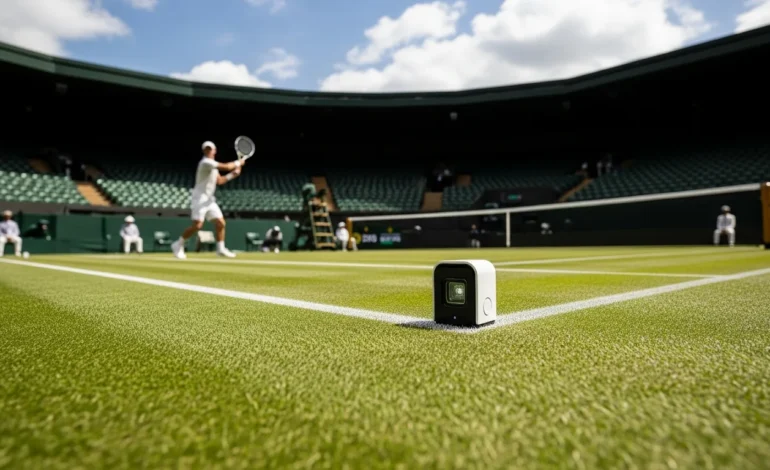
A cluster of high-speed cameras will track a tennis ball moving at 140 mph with sub-millimeter precision—rendering the human line judge obsolete at the All England Club. The 2026 Wimbledon Championships officially begin Monday, June 29, marking the first time every match court utilizes fully automated electronic line-calling.
Players arrived Sunday for final practice sessions under the watchful eyes of a newly digitized officiating system. The tournament remains the third Grand Slam event of the 2026 season and the only major still played on traditional grass courts.
The End of the Human Line Judge
Wimbledon has finally embraced the silicon-led officiating that has dominated other major tournaments. This move eliminates human error on the notoriously difficult-to-judge grass surface—the final Grand Slam to hold out on full automation.
Chair umpires will still oversee the matches from their elevated perches. However, the traditional visual cues and verbal ‘out’ calls are now triggered by a millisecond-fast digital pulse.
Hardening the Perimeter and the Purse
Security teams have bolstered the venue’s defenses to thwart potential disruptions from climate activists. Physical barriers and advanced surveillance now protect the pristine turf as the famous ‘Queue’ for grounds passes swells with fans.
- Total prize money for the 2026 tournament has reached a record-breaking high for the event.
- The weather forecast predicts clear skies and mild temperatures for the opening week in London.
- The tournament will run for two weeks, concluding with the finals in mid-July.
Adapting from Clay to Glass-Fast Grass
The 2026 draw features several rising stars who dominated the recent clay-court season in Paris. These athletes are increasingly using AI-driven analytics to adjust their footwork and swing speeds for the faster grass courts.
Defending champions and top-ranked seeds face intense pressure as the competitive field narrows. The transition from the slow dirt of Roland Garros to the lightning-fast London lawns is now a data-science challenge as much as a physical one.
Related Coverage
- Roland Garros Siege: Top Seeds Survive Brutal Second Round on Parisian Clay
- Nvidia Market Dominance: AI Chip Giant Eyes $2.6 Trillion Valuation After Record Earnings
Frequently Asked Questions
Will the new line-calling technology be used on the outer courts?
Yes, for the first time in 2026, the automated system is active across all 18 match courts, not just the primary show courts like Centre Court.
How does the grass surface interact with the new sensors?
Groundskeepers use subterranean moisture sensors to calibrate the bounce data for the AI, ensuring the system accounts for the unique wear of the grass over the 14-day period.
Can players still challenge calls?
The traditional challenge system is effectively retired because the automated calls are considered final and are verified by the tracking data in real-time.