Trump Vows Escalated Military Action Against Iran Following Drone Interceptions in Strait of Hormuz
WASHINGTON, D.C. — President Trump issued a stern warning to Tehran on Tuesday, threatening intensified military strikes against Iranian targets following the interception of four attack drones near the volatile Strait of Hormuz.
The commander-in-chief characterized the potential for further kinetic action as a necessary defensive posture to ensure the stability of global energy markets and the safety of international shipping. This latest escalation follows a series of U.S. strikes aimed at neutralizing Iranian-backed assets in the region.
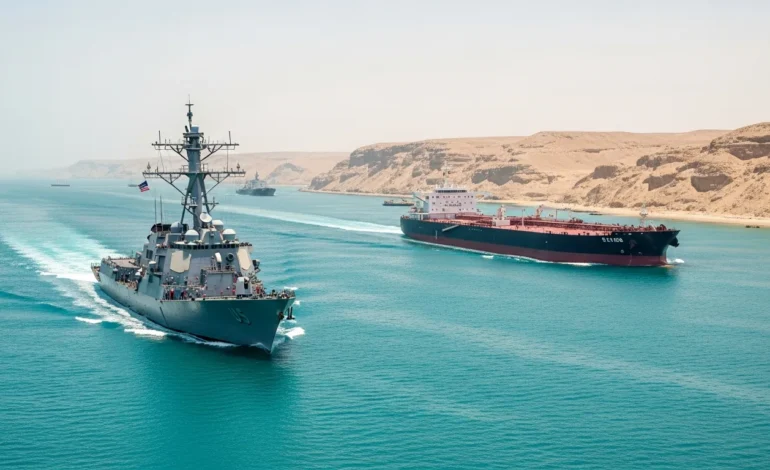
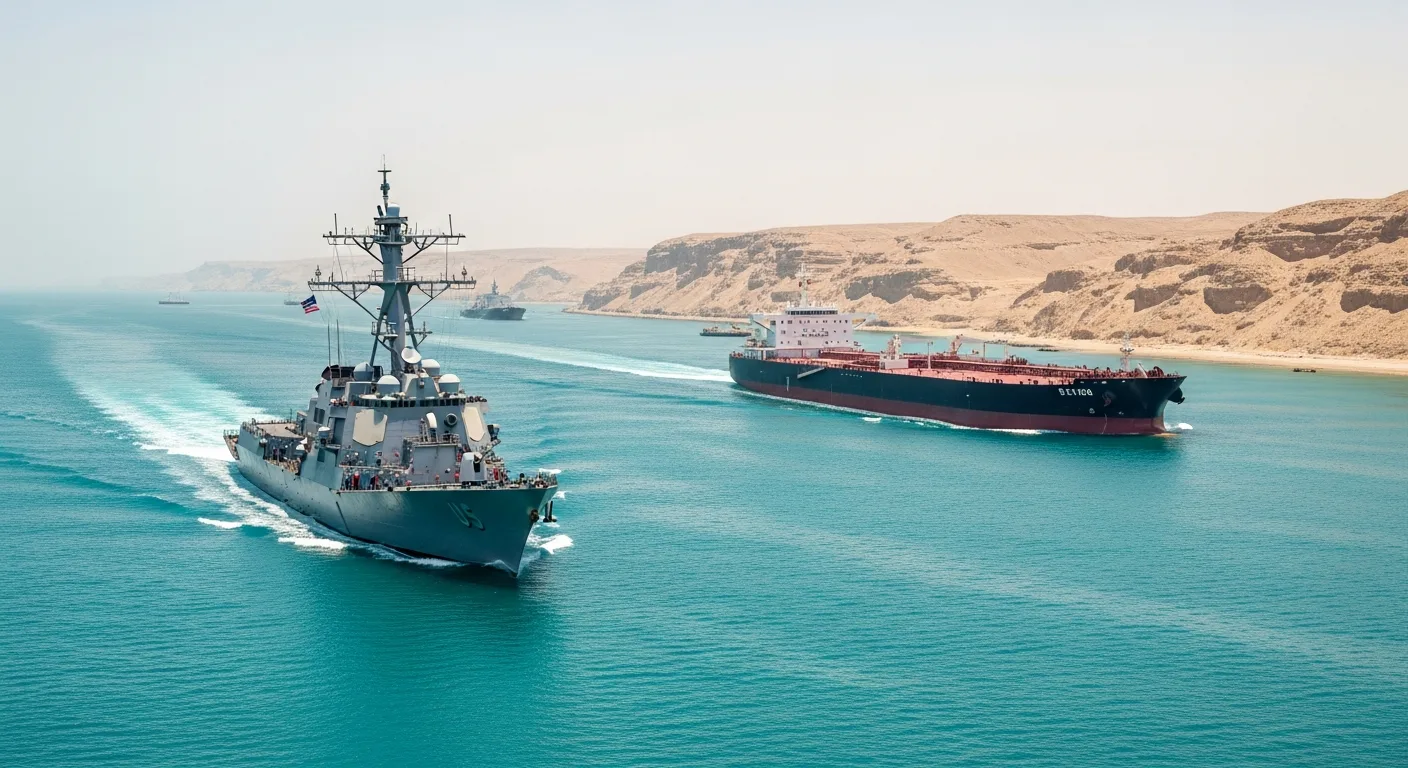
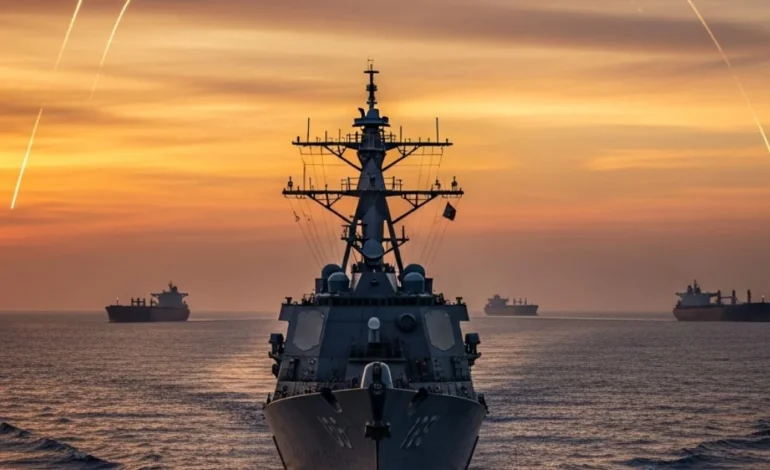
Administration officials confirmed that the four drones were neutralized by U.S. naval forces as they approached commercial vessels in the world’s most critical oil chokepoint. The White House insists these actions are defensive measures intended to maintain a fragile ceasefire that has been under repeated strain.
A Critical Flashpoint for Global Trade
The Strait of Hormuz remains the primary artery for the world’s oil supply, and any disruption there has immediate consequences for the global economy. President Trump emphasized that the United States would not tolerate any interference with the freedom of navigation.
“We will not allow the Strait of Hormuz to be closed or intimidated,” the President stated during a brief press conference. He noted that while the U.S. prefers a diplomatic resolution, the military is prepared to act with “disproportionate force” if provocations continue.
This surge in Middle Eastern tensions comes as the West faces a broader realignment, similar to how the UK’s summer election signals a geopolitical pivot for traditional allies. The administration is working to ensure that its partners in the region remain aligned against what it calls “Iranian aggression.”
Military Readiness and Strategic Deterrence
Pentagon sources indicate that the intercepted drones were of a high-velocity, surveillance-and-strike variety capable of causing significant damage to civilian tankers. The U.S. Navy has since increased its patrol frequency in the Persian Gulf to deter further incursions.
Military analysts suggest that the deployment of these drones marks a shift in Iranian tactics, testing the resolve of the U.S. Fifth Fleet. The White House has made it clear that any further attempts to harass shipping will be met with an immediate and decisive response.
The timing of these threats is notable as legal teams face off for closing arguments in the President’s domestic criminal proceedings. Critics suggest the hardline stance on Iran serves as a strategic maneuver to project strength on the global stage amidst significant legal challenges at home.
The Fragile Path to De-escalation
Despite the rhetoric, the administration claims it is still committed to the existing ceasefire framework, provided that Iran ceases its hostile maneuvers. International mediators have been working behind the scenes to prevent a full-scale regional conflict.
However, the window for diplomacy appears to be closing as both sides dig in. The Iranian government has yet to issue a formal response to the latest threats, though state-controlled media in Tehran has condemned the U.S. presence in the Gulf as illegal and inflammatory.
For now, the world watches the Strait of Hormuz with bated breath. A single miscalculation by either side could ignite a conflict that would have devastating effects on global stability and energy security for years to come.
Frequently Asked Questions
Why is the Strait of Hormuz so significant?
The Strait of Hormuz is the world’s most important oil transit chokepoint, with roughly one-sixth of the global oil supply passing through it daily. Any threat to this lane can cause immediate spikes in global fuel prices.
What specific event triggered the latest military threats?
The latest tension was triggered by the U.S. Navy’s interception of four Iranian attack drones that were reportedly closing in on commercial shipping vessels in international waters.
Is the U.S. currently at war with Iran?
No, the U.S. is not in a formal state of war. The administration characterizes its recent strikes as “defensive measures” intended to protect commercial interests and maintain a tenuous regional ceasefire.
How has the international community responded?
While many Western allies support the right to free navigation, there is significant concern among European and Asian partners that an escalation could lead to a broader regional war that destabilizes the global economy.