Federal Lawsuit Accuses Hyundai of Exploiting Child Labor at Alabama Assembly Plant
MONTGOMERY, Ala. — In a major development that could reshape corporate accountability in the American automotive industry, the U.S. Department of Labor has filed a federal lawsuit against Hyundai Motor Co. and its partners over the illegal use of child labor.
The federal complaint, filed in the U.S. District Court for the Middle District of Alabama, alleges that a 13-year-old child was found working as many as 60 hours per week on a factory floor in Luverne, Alabama. This minor was reportedly tasked with operating industrial machinery and performing manual labor that federal law strictly prohibits for children.
The lawsuit names three distinct entities as defendants: Hyundai Motor Manufacturing Alabama LLC, parts supplier SMART Alabama LLC, and Best Practice Service Agency, a staffing firm. Federal investigators claim the companies ignored multiple red flags regarding the age of the workforce in a pursuit of production quotas.
A Pattern of Systemic Failures
The Department of Labor (DOL) is seeking a court order to force the companies to relinquish any profits related to the use of child labor. This legal maneuver, known as disgorgement, is rarely used but signals the severity with which federal regulators are treating this breach of the Fair Labor Standards Act.
According to the filing, the 13-year-old girl worked on the assembly line for several months. During this period, she was allegedly exposed to hazardous conditions that are deemed unsuitable for any minor, let alone a middle-school-aged child.
This federal action comes as Washington intensifies its focus on corporate negligence, similar to the federal settlement mandating a massive safety overhaul for Norfolk Southern following its catastrophic derailment. The DOL aims to prove that Hyundai exerted enough control over its suppliers to be held legally responsible for these labor violations.
- The minor reportedly worked on machines that formed sheet metal parts.
- The staffing agency is accused of providing falsified documentation to bypass age requirements.
- Hyundai officials allegedly had direct knowledge of the child’s presence on the factory floor.
Federal Accountability and Penalties
“The Department of Labor will not tolerate the exploitation of children in American factories,” said a senior DOL official during a press briefing. “When companies profit from illegal labor, they must be held accountable at every level of the supply chain.”
Hyundai has previously stated that it discourages the use of child labor and has conducted audits of its suppliers. However, federal prosecutors argue that these audits were insufficient and failed to identify obvious violations occurring at the SMART Alabama facility.
Labor advocates worry that tightening labor markets and shifting federal mandates on legal residency may be creating a vacuum that unscrupulous contractors fill with vulnerable, underage workers. The case is expected to set a precedent for how much oversight a parent corporation must maintain over its third-party staffing and supply partners.
Broader Industry Implications
The lawsuit specifically invokes the “hot goods” provision of the Fair Labor Standards Act. This provision allows the federal government to block the interstate shipment of goods produced in facilities where child labor has been documented.
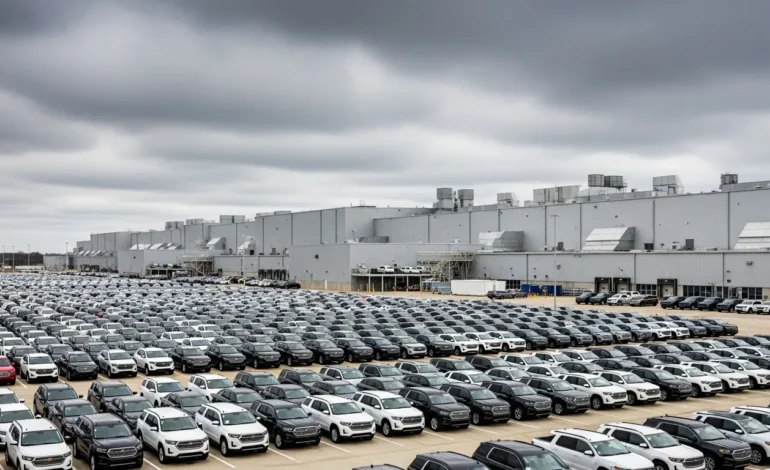
If the court grants the DOL’s request, it could result in significant logistical disruptions for Hyundai’s North American operations. The company’s Montgomery plant is a critical hub for its most popular SUV and sedan models sold in the United States.
Legal analysts suggest that this case could trigger a wider investigation into the Southern automotive corridor. Several other major manufacturers have faced scrutiny in recent years regarding the labor practices of their Tier 1 and Tier 2 suppliers in Alabama and Georgia.
Frequently Asked Questions
What are the primary allegations in the Hyundai child labor lawsuit?
The U.S. Department of Labor alleges that Hyundai and its partners employed a 13-year-old girl at an Alabama parts plant. The child reportedly worked up to 60 hours per week operating dangerous machinery, which is a direct violation of federal labor laws.
Which companies are named as defendants?
The lawsuit names Hyundai Motor Manufacturing Alabama LLC, the parts supplier SMART Alabama LLC, and the staffing firm Best Practice Service Agency. The DOL argues all three entities shared responsibility for the child’s employment.
What penalties is the Department of Labor seeking?
The DOL is seeking a permanent injunction against the use of child labor and is asking the court to order the companies to disgorge any profits earned through the use of illegal minor labor. They are also seeking to stop the shipment of “hot goods” produced under these conditions.
How did the 13-year-old end up working in the factory?
According to the complaint, the child was placed at the facility through a third-party staffing agency. Investigators allege that the agency and the supplier failed to verify the minor’s age and ignored the physical evidence of her youth while she worked on the assembly line.