White House Issues High-Stakes Ultimatum to Tehran: Trump Demands ‘Maximum Oversight’ in New Nuclear Proposal

WASHINGTON, D.C. — The Trump administration has delivered a rigorous new diplomatic ultimatum to Iran, demanding unprecedented nuclear oversight and a total cessation of maritime interference in the critical Strait of Hormuz.
The revised peace proposal, submitted through intermediary channels on June 1, 2026, seeks to replace previous frameworks with what officials describe as “watertight” restrictions on Tehran’s nuclear ambitions.
This diplomatic surge coincides with a rapidly deteriorating security situation in the Levant, where Israeli military forces have reported significant tactical gains against entrenched positions in southern Lebanon.
The ‘Maximum Oversight’ Mandate
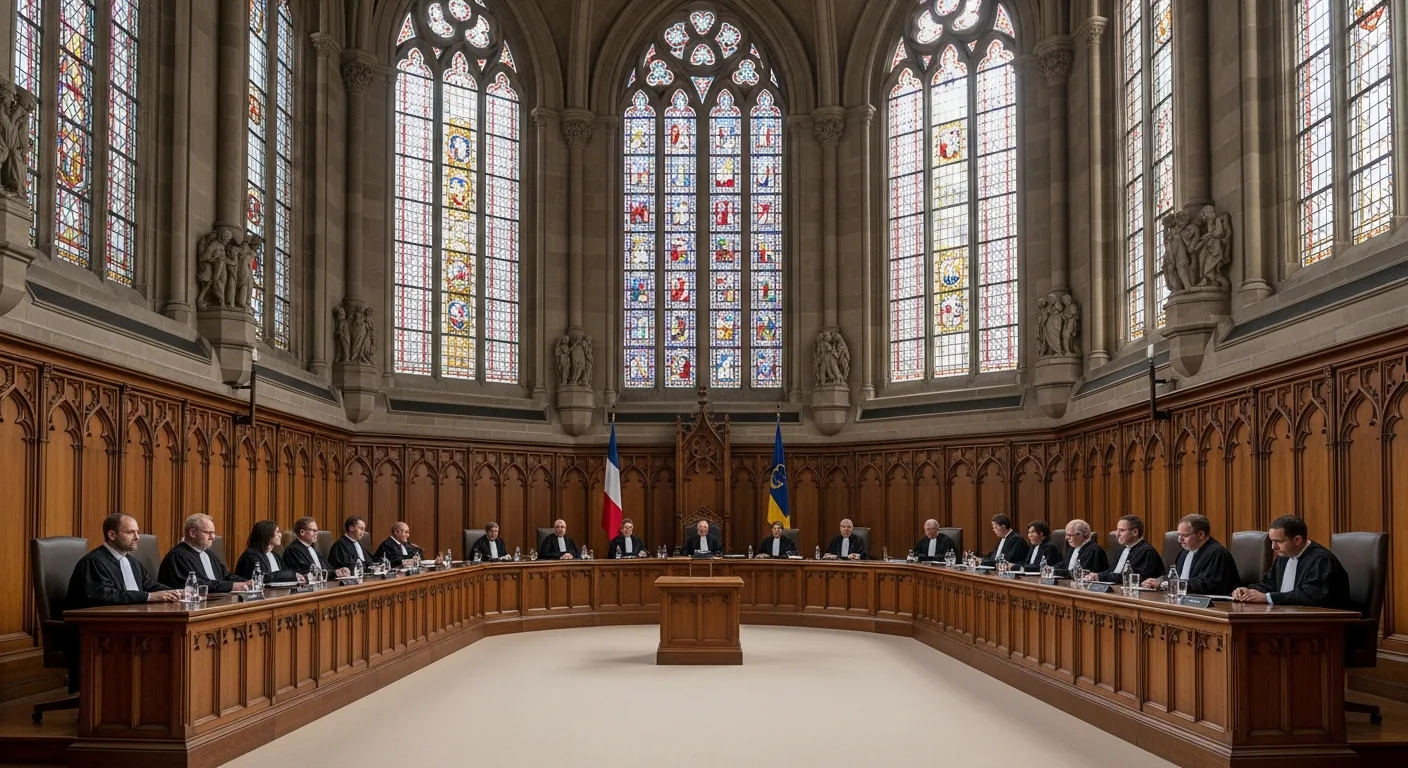
The new U.S. proposal shifts the goalposts for Iranian compliance, requiring real-time, 24-hour access for international inspectors to all suspected nuclear sites, including military installations.
Administration officials argue that previous agreements contained “sunset clauses” and verification loopholes that allowed Tehran to maintain a latent breakout capability.
Under the proposed terms, the U.S. would offer phased sanctions relief only after Iran provides a full accounting of its past nuclear activities and dismantles advanced centrifuges.
Key pillars of the new proposal include:
- Permanent bans on uranium enrichment above 3.67 percent.
- Mandatory disclosure of all dual-use technology imports.
- Immediate cessation of ballistic missile development capable of carrying nuclear warheads.
- Strict adherence to maritime protocols in international waters.
Securing the Strait of Hormuz
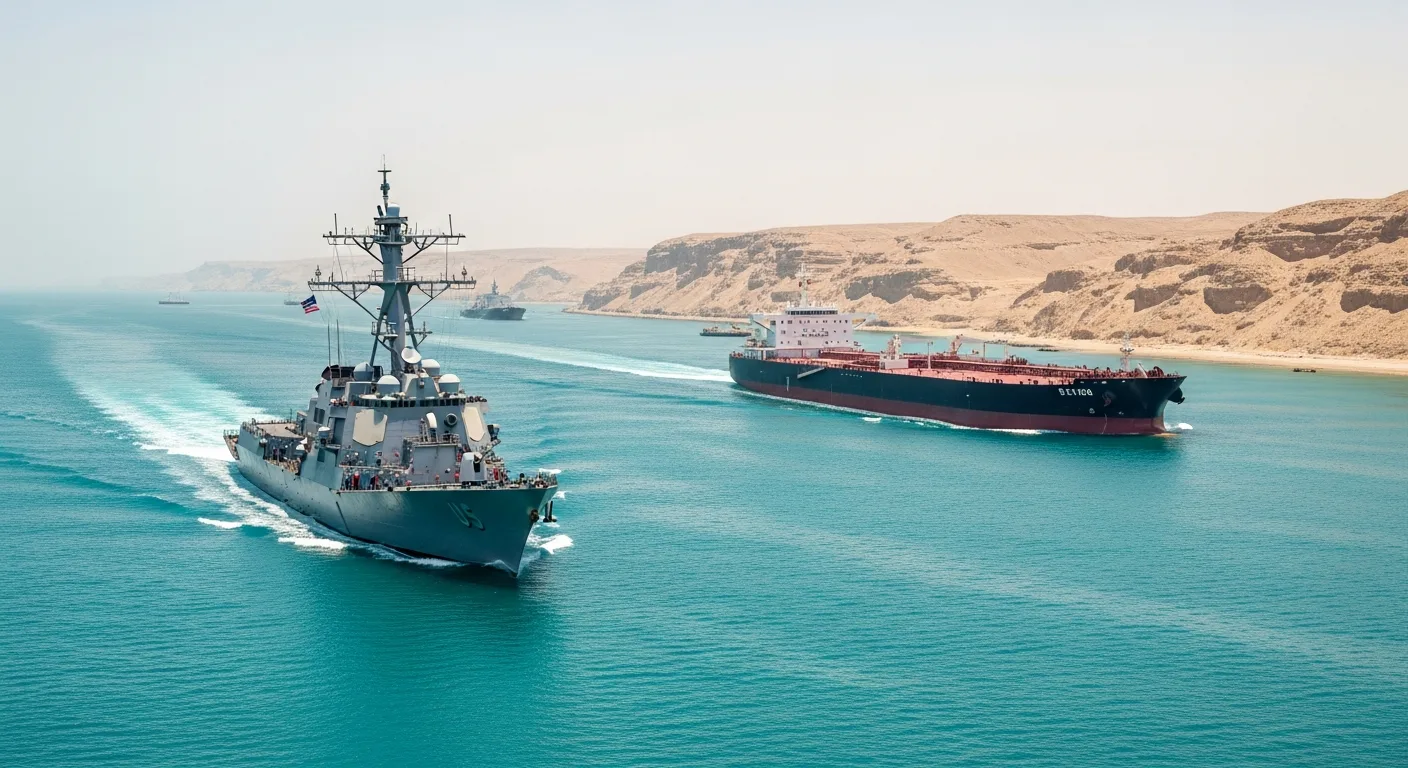
A critical component of the White House strategy involves the Strait of Hormuz, the world’s most vital oil chokepoint, which has seen repeated volatility in recent months.
The proposal demands that Iran formally renounce its right to harass commercial shipping and permits an international coalition to monitor the waterway without interference.
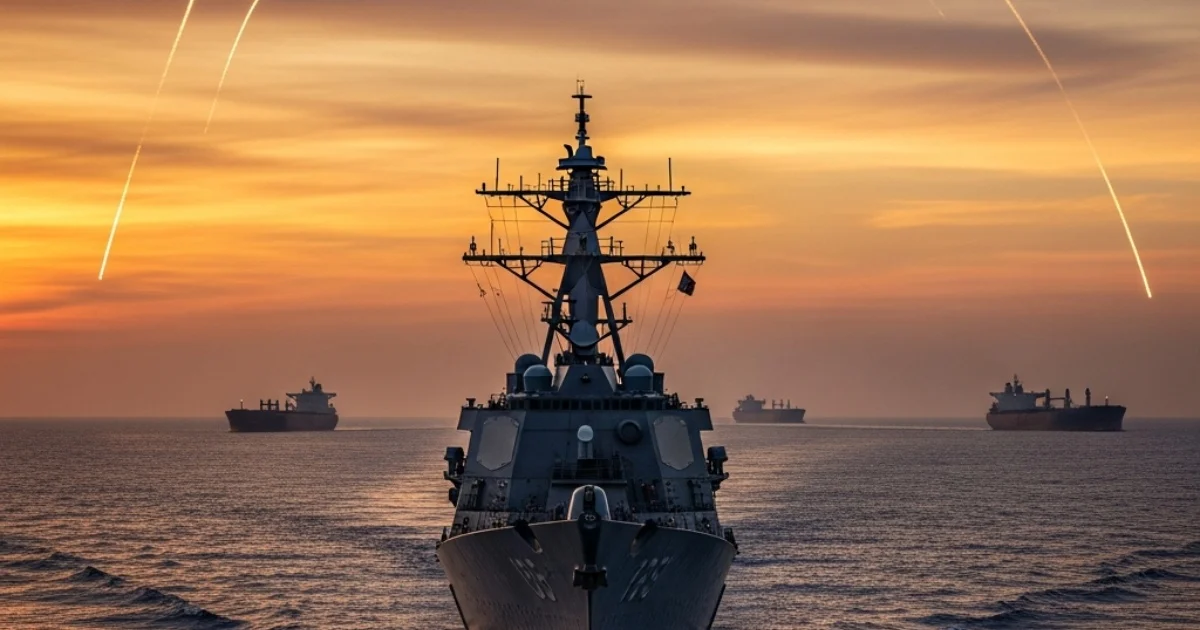
This follows a series of high-profile maritime incidents that prompted the U.S. Navy to launch Operation Project Freedom to protect neutral vessels in the region.
The administration has made it clear that maritime security is non-negotiable, particularly as global energy markets remain sensitive to supply shocks.
The Shadow of Regional Conflict
The diplomatic push comes as the White House balances a delicate line between aggressive negotiation and military readiness.
While the President has signaled a desire for a historic accord, he has simultaneously warned that escalated military action remains a viable option if Tehran rejects the revised terms.
The timing of the proposal is seen by many analysts as an attempt to leverage Iran’s current geopolitical isolation following the degradation of its regional proxies.
Defense experts suggest that the U.S. is utilizing the “maximum pressure” doctrine to force a strategic retreat by the Iranian leadership before the 2026 midterms.
International Reaction and Economic Stakes
European allies have expressed cautious optimism regarding the proposal, though some diplomats worry the “all-or-nothing” approach could lead to a total breakdown in communication.
Tehran has yet to issue a formal response, though state-run media has characterized the demands as an infringement on national sovereignty and “diplomatic coercion.”
The stakes for the American consumer are high, as any further escalation could send energy prices soaring during an already sensitive economic period.
Frequently Asked Questions
How does this proposal differ from the JCPOA?
The 2026 proposal eliminates “sunset clauses” and demands 24-hour access to military sites, which were major points of contention in the original 2015 Joint Comprehensive Plan of Action.
What happens if Iran rejects the proposal?
The White House has indicated that a rejection will lead to intensified economic sanctions and a potential increase in U.S. naval deployments to the Persian Gulf to ensure maritime security.
Is Israel involved in these negotiations?
While not a direct party to the proposal, the U.S. has maintained constant strategic synchronization with Israeli leadership throughout the drafting process to ensure regional security alignment.
What is the role of the Strait of Hormuz in this deal?
The proposal demands that Iran formally renounce interference with commercial shipping and allow international monitoring in the Strait of Hormuz to prevent global energy disruptions.