Visa Deadlock Threatens 48-Team World Cup Integrity as Iran Squad Lands in Mexico
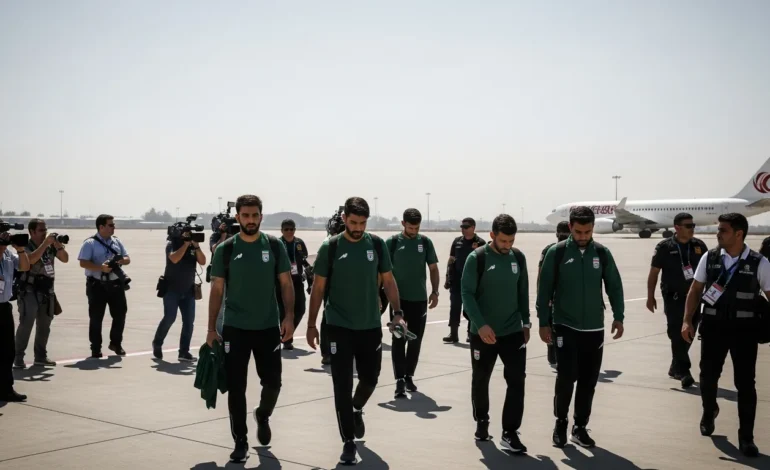
The 2026 FIFA World Cup is projected to generate over $14 billion in commercial revenue, yet a diplomatic rift over 12 administrative visas now threatens the tournament’s expanded 48-team integrity. The Iranian national soccer team arrived in Tijuana, Mexico, on June 6, 2026, to begin final preparations while the Iranian Football Federation issued a formal threat to withdraw from the competition entirely.
This dispute centers on the U.S. State Department’s refusal to grant entry to high-ranking support staff, including Federation Secretary General Hedayat Mombini and Media Director Mohsen Motamedkia. U.S. officials, led by Secretary of State Marco Rubio, cited alleged ties to the Islamic Revolutionary Guard Corps (IRGC) and the ongoing regional conflict that began in February 2026 as the basis for the restrictions.
Administrative Blockade and IRGC Allegations
FIFA officials have entered emergency mediation with Washington and Tehran to prevent a forfeit that would disrupt the unprecedented 104-match schedule. Security for the Iranian delegation in Mexico has been elevated to ‘high’ status to mitigate potential friction during the squad’s final training sessions before the June 11 kickoff.
The Iranian Football Federation maintains that the full delegation, including Executive Director Mehdi Kharati, is integral to the team’s competitive operations. Tehran has accused the U.S. of “politically biased interference,” arguing that the denial of visas for managerial staff violates FIFA’s hosting obligations.
- The 2026 tournament is the first to feature 48 teams, requiring a highly synchronized cross-border logistical framework.
- Iran’s group stage matches were strategically scheduled in Mexico and Canada to minimize U.S. travel complications.
- Mexico City Stadium is set to host the opening match between Mexico and South Africa on June 11.
U.S. Soccer officials expressed concern that the visa row will overshadow the commercial success of the tournament’s North American debut. Elevated security protocols now surround the Iranian team’s base in Mexico to prevent disruptions related to the recent escalation in the Strait of Hormuz.
Logistical Redesign and Economic Forfeiture Risks
A late withdrawal by a qualified nation would trigger significant “make-good” requirements for global broadcasters and tier-one sponsors who have paid for a guaranteed 48-team package. The loss of a participating nation would force FIFA to either award 3-0 forfeits or restructure group stage points-per-game metrics just days before the first whistle.
The logical next step involves a potential “neutral-site” administrative compromise, though the U.S. government has shown little flexibility on IRGC-related vetting. This standoff sets a challenging precedent for future multi-host tournaments where national security policies may conflict with international sporting mandates.
Related Coverage
- Diplomatic tensions remain high as the U.S. Navy continues escort operations in the Middle East.
- The visa dispute coincides with reports that Washington and Tehran are nearing a nuclear accord, highlighting contradictory signals in current foreign policy.
Frequently Asked Questions
Which specific Iranian officials were denied U.S. visas?
The U.S. State Department has blocked entry for at least 12 members of the delegation, including Federation Secretary General Hedayat Mombini, Executive Director Mehdi Kharati, and Media Director Mohsen Motamedkia. These denials are based on alleged affiliations with sanctioned entities and the current regional security climate.
How does the 2026 ‘High’ security status impact team operations in Mexico?
‘High’ status involves 24-hour armed escorts for the team, restricted access to training grounds in Tijuana, and coordination between Mexican federal police and international security consultants. These measures are designed to shield the squad from political protests and external diplomatic friction.
What are the financial implications for FIFA if a team withdraws this late?
A late withdrawal would trigger breach-of-contract clauses with broadcasters who have sold advertising slots based on a 104-match schedule. FIFA would likely face litigation from commercial partners and would be forced to pay significant compensation for lost viewership in regional markets.
Why is Iran’s group stage schedule limited to Mexico and Canada?
To navigate ongoing diplomatic tensions, FIFA and the local organizing committees localized Iran’s matches in Mexico and Canada for the group stage. This geographic isolation was intended to bypass the very visa complications that have now surfaced regarding the team’s administrative staff.