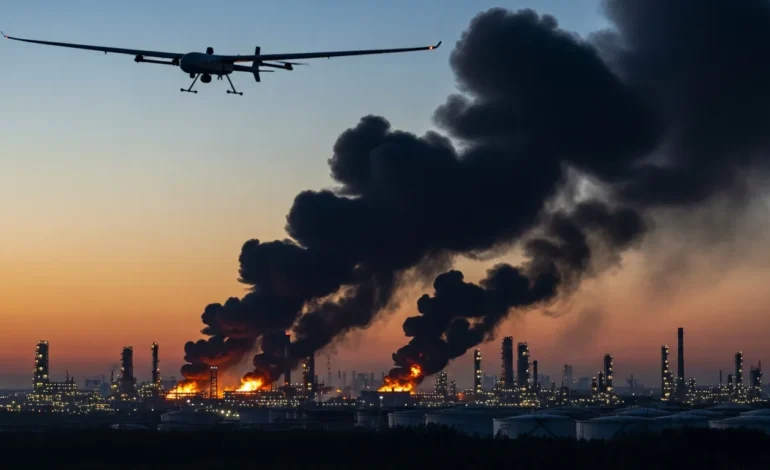
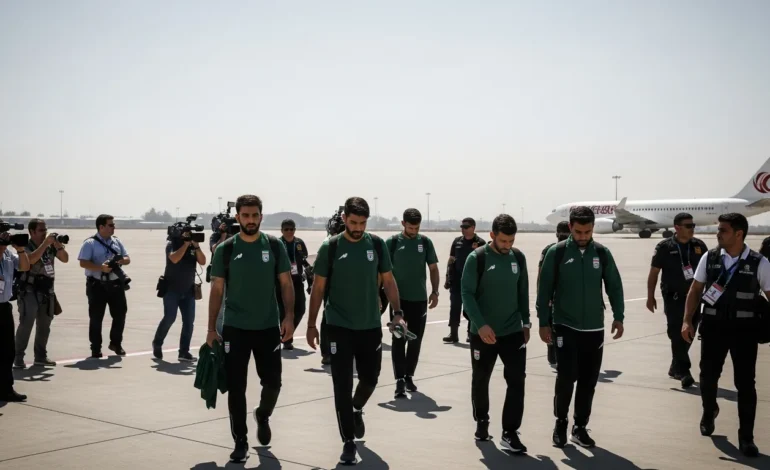
100 Days of Conflict: $45 Billion War Cost and Oil Volatility Pressure Trump Administration
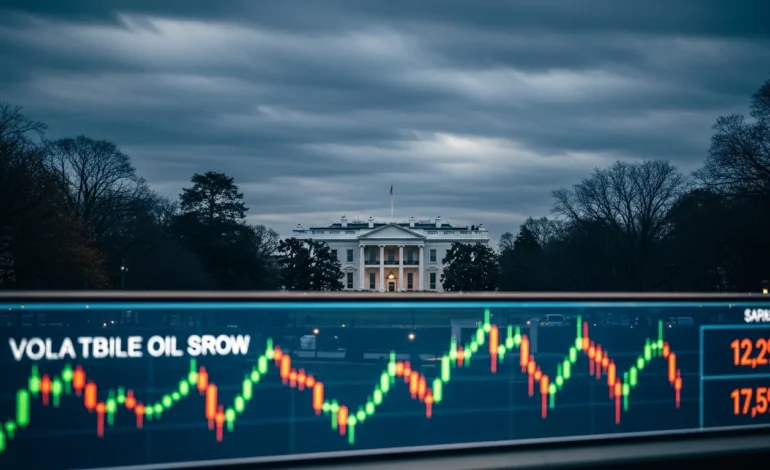
Brent crude futures climbed 3.2 percent to $118.40 per barrel on Sunday as the United States marked its 100th day of formal war with Iran. This price surge reflects deepening market anxiety over a Persian Gulf stalemate that has already cost the Pentagon more than $45 billion.
President Donald Trump faces a fractured domestic coalition as the June 7 milestone coincides with widespread anti-war protests across major American cities. The administration’s shift to a ‘maximum pressure’ military campaign follows the total collapse of the 2026 ceasefire earlier this spring.
The $45 Billion Burn Rate and Legislative Pushback
The war has maintained an average burn rate of $450 million per day, triggering alarms on Wall Street regarding long-term deficit impacts. Congressional Democrats are now leveraging these figures to demand a formal review of the War Powers Act.
Analysts predict the administration may soon propose an emergency budget reallocation to sustain military operations through the current fiscal year. This move would likely strip funding from domestic infrastructure projects, further polarizing the electorate ahead of the November midterms.
Energy Markets and Gulf Diplomacy
Global energy markets remain the primary casualty of the ongoing strikes, with domestic fuel costs hitting multi-year highs across the United States. The White House is currently pressuring Gulf allies for increased financial contributions and expanded basing rights to offset mounting operational costs.
Secretary of State Pete Hegseth defended the campaign on Sunday, asserting that the military pressure is necessary to prevent an Iranian nuclear breakout. However, intelligence reports suggest the conflict has reached a tactical stalemate in the Strait of Hormuz despite the escalated naval presence.
- Total Direct Cost: $45.2 billion (approximately $452 million per day).
- Energy Impact: 18% increase in global crude since the 2026 ceasefire collapse.
- Legislative Action: Formal challenge to the War Powers Act initiated by House leadership.
Frequently Asked Questions
How does the current spending compare to previous Middle East conflicts?
The $45 billion three-month burn rate exceeds the inflation-adjusted quarterly cost of the initial 2003 Iraq invasion, reflecting the high intensity of modern precision strikes.
What is the ‘maximum pressure’ military strategy?
The strategy involves sustained airstrikes against Iranian naval assets and command infrastructure to prevent uranium enrichment and force a return to negotiations.
How are Gulf allies responding to requests for more funding?
Negotiations are ongoing, with allies seeking expanded U.S. security guarantees and advanced weapons systems in exchange for increased financial contributions and basing rights.