Radar Glitch and Digital Signatures: The Tech Friction Behind the U.S.-Iran Summit
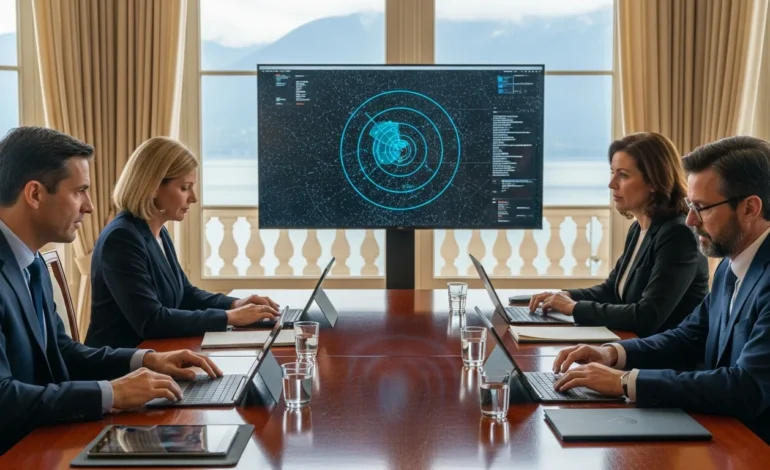
The radar screens at Zurich airport flickered and stalled on Sunday morning—a digital hiccup that grounded dozens of flights and signaled the start of a high-stakes diplomatic summit. This technical fault occurred as Swiss authorities integrated a new, restricted no-fly zone over Burgenstock into the national aviation system to secure the arrival of global leaders.
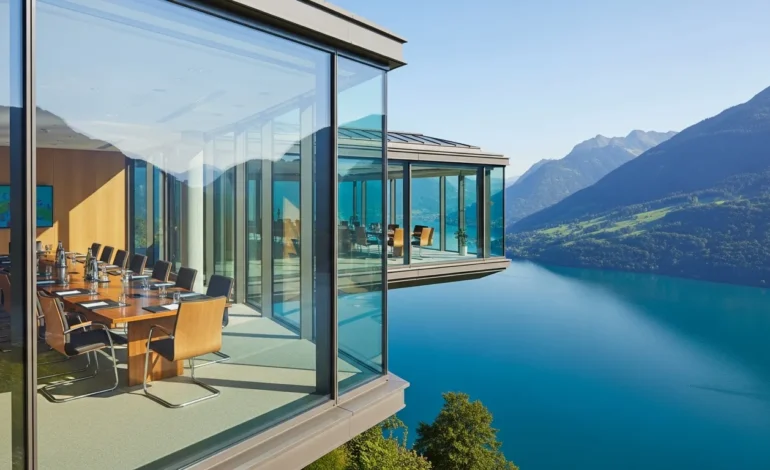
U.S. Vice President JD Vance landed in Switzerland on June 21, 2026, to lead an American delegation tasked with finalizing a historic peace framework. The session takes place at a luxury hotel complex in the canton of Nidwalden, overlooking the tranquil waters of Lake Lucerne.
The Digital Architecture of Modern Peace
The Burgenstock talks aim to cement the details of a 14-point memorandum of understanding (MoU) signed electronically just three days ago. On Thursday, June 18, 2026, President Trump and Iranian leadership bypassed traditional paper ceremonies, utilizing secure digital signatures to enact the interim agreement.
The American team includes high-profile negotiators focused on economic and regional integration. The delegation features:
- U.S. Vice President JD Vance
- Special Envoy Steve Witkoff
- Jared Kushner, President Trump’s son-in-law
Facing them is an Iranian delegation led by Parliament Speaker Mohammad Bagher Ghalibaf and Foreign Minister Abbas Araghchi. The presence of Iran’s central bank governor in the broader technical group suggests that unfreezing billions in assets and restructuring sanctions are the primary data points of the day.
Mediators and Regional Friction
Pakistan and Qatar are serving as the primary mediators for this technical round. Pakistani Prime Minister Shehbaz Sharif and Army Chief Asim Munir arrived in Zurich early Sunday, alongside Qatar’s Prime Minister Sheikh Mohammed bin Abdulrahman bin Jassim Al Thani.
The fragile peace is currently being tested by kinetic reality on the ground. Iran claims the digital accord includes a ceasefire in Lebanon—a provision they say is being violated by ongoing Israeli military strikes.
Despite the diplomatic progress, the region remains on edge as the technical teams negotiate the fine print of the 60-day implementation window. The success of this summit depends on whether digital promises can translate into a physical cessation of hostilities across the Middle East.
Frequently Asked Questions
What caused the flight cancellations at Zurich airport on Sunday?
The cancellations were caused by a technical fault in the air traffic control system. The glitch was triggered when security teams attempted to integrate a last-minute no-fly zone over the Burgenstock summit into the regional radar display systems.
How does the June 18 electronic signature impact the validity of the deal?
The use of secure electronic signatures allowed the U.S. and Iran to implement the interim ceasefire immediately, bypassing the logistical delays of a physical signing ceremony. This digital-first approach is being viewed by analysts as a new standard for rapid-response diplomacy in conflict zones.
Which local Swiss jurisdiction is managing the summit’s security?
The summit is physically located in the canton of Nidwalden. Local police and approximately 2,000 members of the Swiss armed forces are providing the security infrastructure for the international delegations.
What is the status of the Strait of Hormuz during these talks?
While Iran previously threatened to close the waterway due to strikes in Lebanon, reports indicate that millions of barrels of oil continue to flow. The reopening and guaranteed toll-free passage of the strait are core components of the 14-point memorandum being finalized in Switzerland.