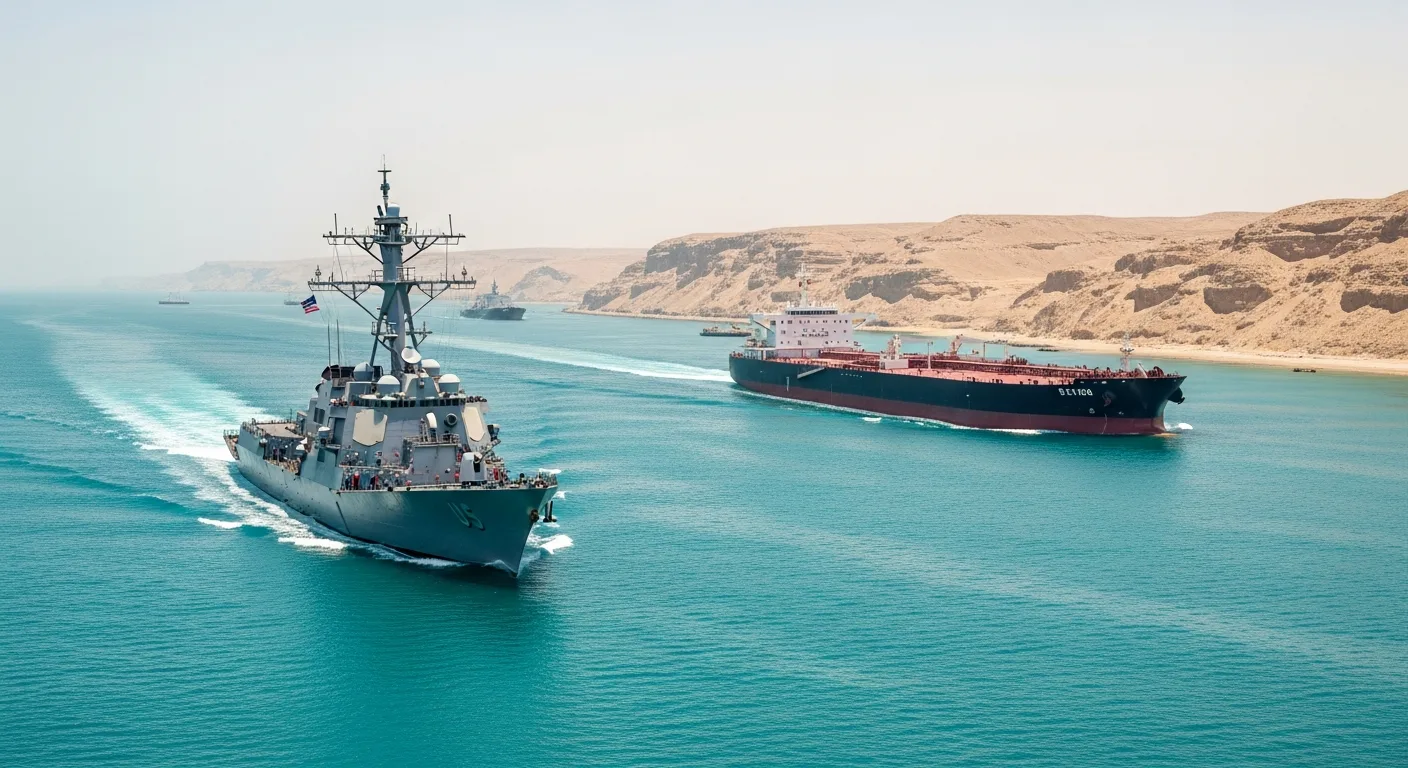
Energy Algorithms Flash Red as Iran Shutters the Strait of Hormuz
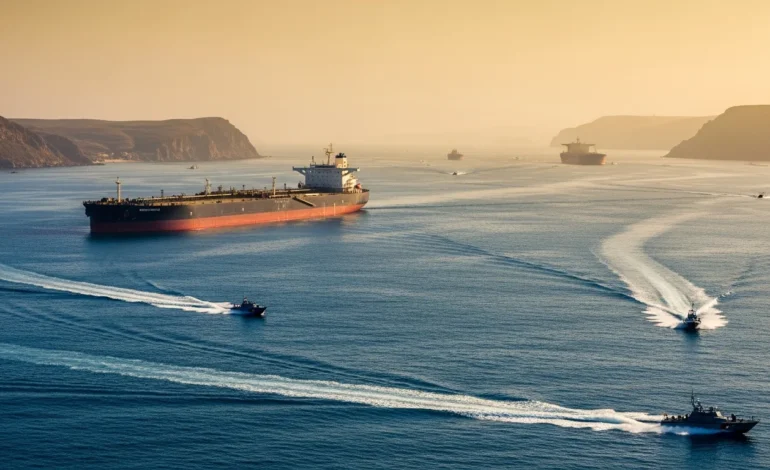
The automated trading algorithms that power global energy markets just hit their circuit breakers. Tehran’s sudden closure of the Strait of Hormuz on Sunday has turned real-time logistics dashboards into a sea of crimson warnings.
Iran officially shuttered the world’s most critical maritime chokepoint on June 21, 2026. The move is a direct response to recent Israeli military strikes against Hezbollah targets in Lebanon.
The Strait of Hormuz facilitates the passage of approximately 20% of the world’s total oil consumption. International shipping companies are already utilizing AI-driven routing software to divert tankers around the Cape of Good Hope—adding weeks to global transit times.
A Digital Disruption of Physical Assets
The closure was confirmed just hours after U.S. and Iranian officials began delicate technical talks in Switzerland. Iran’s Parliament Speaker Mohammad Bagher Ghalibaf signaled that their armed forces are fully mobilized and ready to act if the regional conflict escalates.
U.S. Central Command (CENTCOM) is currently deploying high-altitude surveillance drones and satellite arrays to monitor threats to commercial vessels. President Trump has responded with characteristic intensity—threatening to “hit Iran very hard” if the disruption to regional stability continues.
The High-Tech Ripple Effect
Global energy markets are bracing for a supply shock that could cripple the high-energy demands of massive AI data centers. If the blockade persists, the cost of powering the next generation of computing could skyrocket overnight.
- Tehran warns that the Swiss peace process will achieve nothing if regional fighting does not cease.
- The closure follows a week of intense clashes between Israel and Hezbollah forces.
- Logistics firms are seeing an immediate surge in demand for autonomous maritime monitoring services.
Related Coverage
- The U.S. Navy’s Project Freedom has been activated to guard neutral vessels in the region.
- Inland, national gas prices have already breached the $4 mark in response to the deepening blockade.
Frequently Asked Questions
How does the Strait of Hormuz closure affect the global semiconductor industry?
While the strait primarily handles oil and gas, the resulting energy price spikes directly increase the cost of manufacturing and transporting silicon wafers. High-energy clean rooms require stable, affordable power that is now under threat.
What specific technology is CENTCOM using to monitor the strait?
CENTCOM utilizes a combination of Aegis-equipped destroyers and advanced MQ-9 Reaper drones to maintain a constant digital eye on Iranian naval movements. These systems provide real-time telemetry to commercial fleets attempting to navigate the periphery.
Can tankers simply go around the blockade?
Rerouting around Africa adds approximately 10 to 14 days to a voyage, significantly increasing fuel consumption and logistics costs. This delay creates a massive backlog in the global supply chain, affecting everything from plastics to fuel.