Buergenstock Summit: U.S. and Iran Enter Critical Working Phase for Sanctions Relief
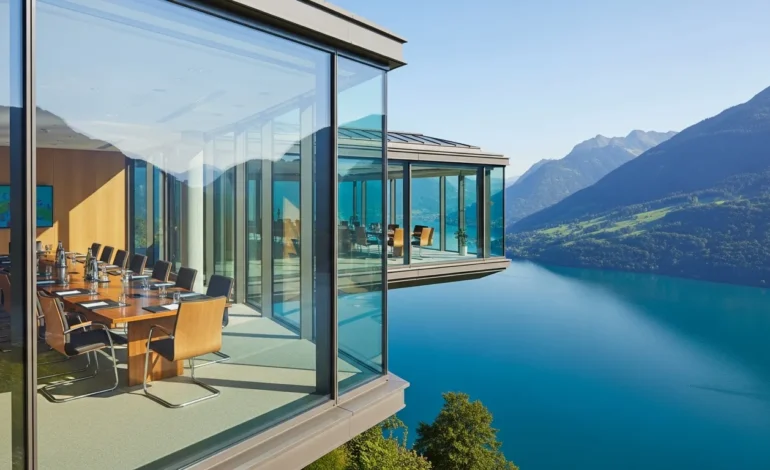
The last time the United States and Iran engaged in sustained, face-to-face diplomatic working sessions, the geopolitical map of the Middle East looked vastly different than it does today. On Thursday, June 18, 2026, the Swiss government confirmed it will host high-level delegations from both nations at the Buergenstock mountaintop resort to formalize a path forward following the Islamabad memorandum of understanding.
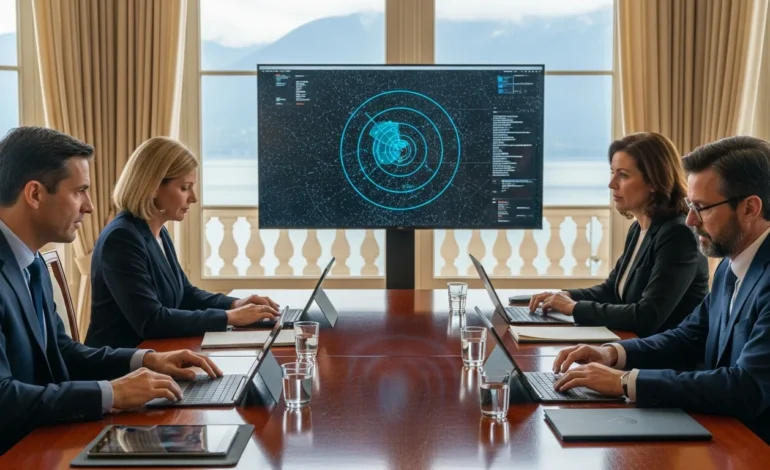
Scheduled to begin on Friday, June 19, these sessions represent the first direct diplomatic working engagement between Washington and Tehran in years. Delegations from Pakistan and Qatar will lead the mediation efforts, seeking to bridge the gap between U.S. security requirements and Iranian economic demands.
Implementing the Islamabad Framework
The primary objective of the Buergenstock talks is the creation of a definitive schedule for the lifting of international sanctions and the subsequent return of frozen Iranian assets. Swiss officials indicated that while minor logistical delays occurred, the plan remains for both parties to convene on Friday for discussions expected to last through June 21.
Swiss authorities have established a strict no-fly zone and significantly increased ground security around the isolated resort to protect the sensitive nature of the negotiations. The Buergenstock location was specifically chosen for its historical reputation as a secure venue for high-stakes international diplomacy and its natural geographic isolation.
Regional Stability and International Oversight
The success of these sessions is considered a cornerstone for the long-term viability of the current Middle East ceasefire. Observers from the European Union and the United Nations will maintain an advisory presence to ensure the technical aspects of any agreement align with existing international frameworks.
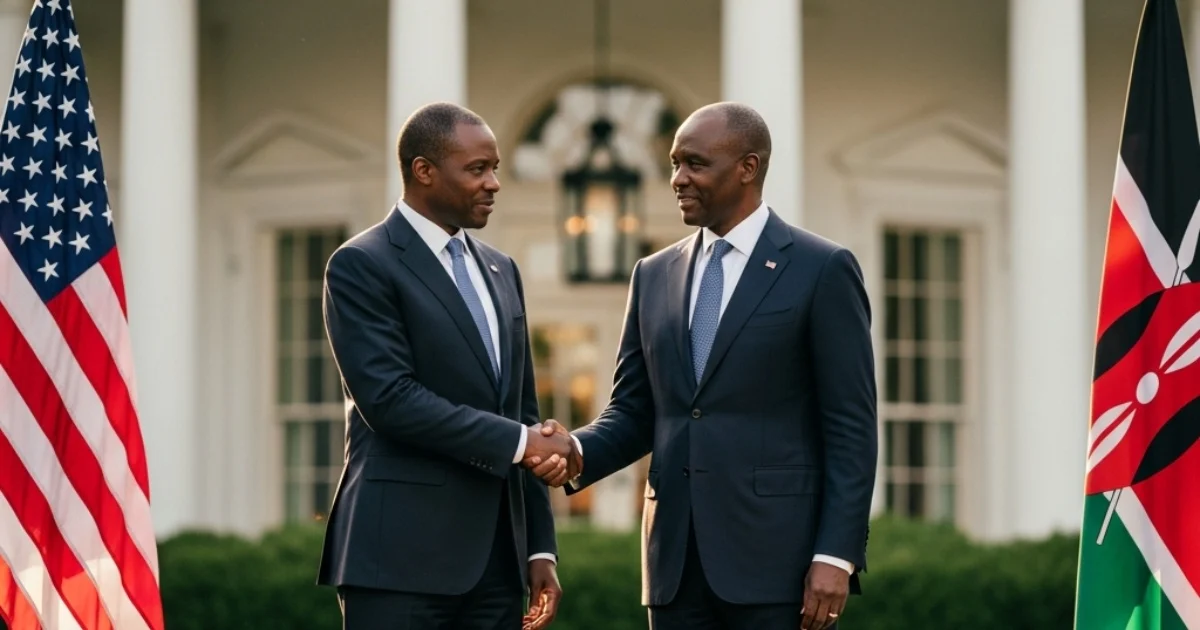
The transition from the high-level symbolic signing at the Palace of Versailles to the granular working sessions in Switzerland suggests a pivot toward pragmatic implementation over political posturing. This shift indicates that both administrations may be prioritizing economic stabilization over the ideological deadlock that characterized previous decades.
Related Coverage
- Trump Signals Imminent Nuclear Accord with Iran Amid Lingering Military Warnings
- US Navy Deploys ‘Project Freedom’ to Guard Strait of Hormuz After Iranian Attacks
Frequently Asked Questions
Why was the Buergenstock resort selected for these talks?
The resort offers extreme physical isolation and a long-standing history of hosting sensitive diplomatic negotiations, providing the necessary security for high-level officials. Its location allows Swiss authorities to easily manage a no-fly zone and control all ground access points.
What is the specific role of Pakistan and Qatar in these sessions?
Pakistan and Qatar are serving as the primary mediators, responsible for facilitating communication and drafting the technical frameworks for the proposed timeline. Their involvement follows their successful roles in the previous Islamabad memorandum of understanding.
Which international organizations are monitoring the negotiations?
The European Union and the United Nations have sent delegations to serve in an advisory capacity during the weekend sessions. These observers ensure that any proposed sanctions relief or asset transfers comply with broader international legal standards.