
Custom Automation for Life Sciences: What It Is and How Labs Use It in 2026
Custom automation for life sciences tailors robots, liquid handlers, and software to lab workflows — what it covers, where it fits, and how to scope it.
General USABite practical technology guides and explainers.

Custom automation for life sciences tailors robots, liquid handlers, and software to lab workflows — what it covers, where it fits, and how to scope it.

The Disruptive Technology Strike Force polices AI, chip and quantum exports. Learn what it does, who runs it, and what it means for tech companies.

A smart curriculum adapts lessons to each student using AI and learning data. Here is what it means, how it works, and why schools are adopting it in 2026.
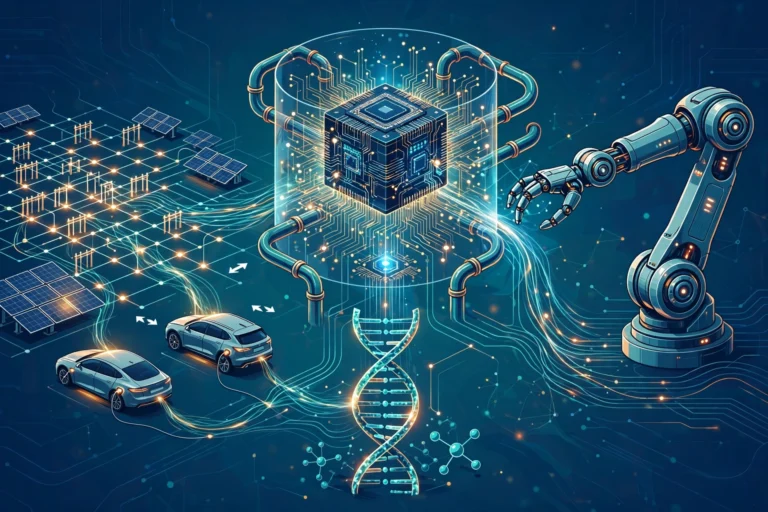
Advance technologies are moving off screens into energy, medicine and infrastructure in 2026. Here are the WEF and Gartner top-10 lists and why they matter.

Disruptive technologies are reshaping business in 2026. Learn what they are, which ones matter most, and how companies actually use them to compete and grow.

What is future innovation technology? From Samsung’s FIT platform to the WEF’s top 10 emerging tech of 2025 — a clear, no-hype guide to what’s actually next.

What AI detector does GNTC use? GNTC hasn’t publicly named one, but Turnitin’s AI detection is the likely answer. Here’s what students should know about it.
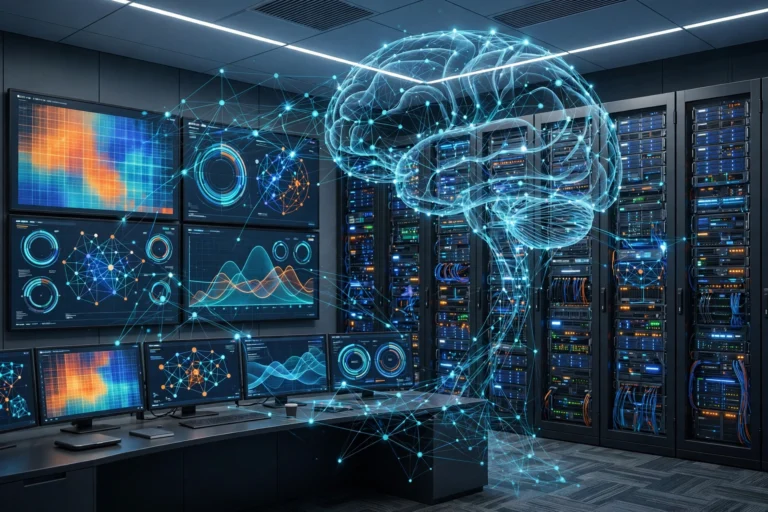
Automated IT operations (AIOps) uses AI to monitor systems, cut alert noise, and fix incidents faster. Here’s how it works, what it automates, and when it pays off.

What is an AI agent manager? Learn the role overseeing AI agent fleets, the control-tower platforms behind it, and why oversight decides which projects survive.
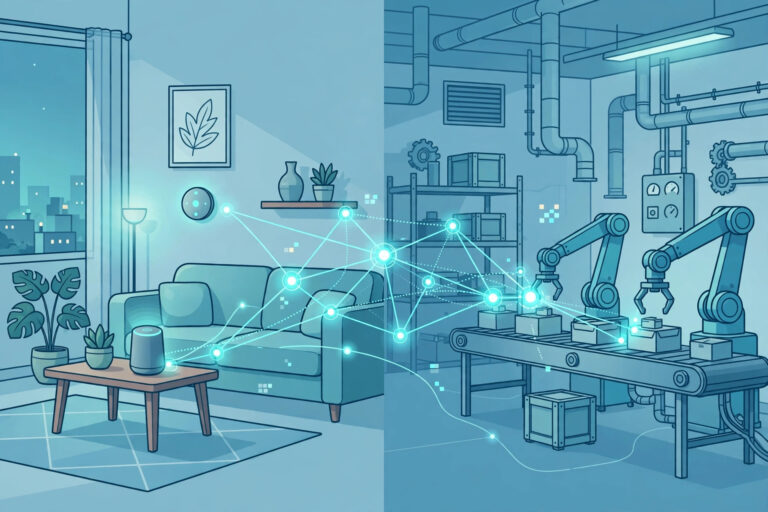
Wondering what ‘our smart solutions’ means? This plain-English explainer covers the four types of smart solutions, 2026 market data, and how to choose a vendor.