Extreme Heat to Test Netherlands and Morocco in Monterrey World Cup Knockout
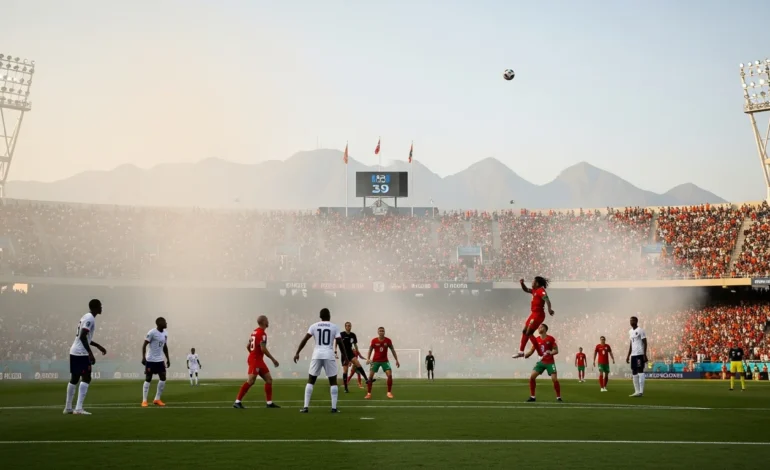
The Netherlands and Morocco are scheduled to meet Monday night in Monterrey, Mexico, for a World Cup Round of 32 fixture where temperatures are expected to reach 88°F at kickoff. This match at Estadio BBVA marks the first time these two nations have faced each other in a World Cup knockout stage.
Kickoff is set for 9:00 p.m. ET, serving as the final match on the day’s tournament schedule. Fox Sports and Telemundo hold the broadcast rights for the game in the United States.
Physiological Impact of Monterrey’s Extreme Heat
Climate analysis indicates a 78% likelihood of performance-impairing heat during the match, a threshold that begins at 82.4°F. With the temperature forecasted at 88°F, athletes face significant physiological strain that can lead to rapid dehydration and diminished aerobic capacity.
FIFA has implemented mandatory three-minute hydration breaks in each half to mitigate these risks across the expanded 48-team tournament. These stoppages occur approximately 22 minutes into each period, regardless of whether a stadium is climate-controlled or open-air.
Tournament Path and Venue Challenges
The Netherlands advanced to the knockout phase as a top seed following an unbeaten run in the group stage. Morocco enters the Round of 32 following a successful campaign that reinforced their status as a global contender after their historic 2022 performance.
Estadio BBVA, situated near the Cera de la Silla mountain, is known for a microclimate that can trap humidity and heat within its open-air structure. The winner of this high-stakes encounter will move on to the Round of 16 to face co-host Canada.
- Location: Estadio BBVA, Monterrey, Mexico
- Kickoff: 9:00 p.m. ET / 7:00 p.m. Local
- Conditions: 88°F, High Humidity
- Broadcasters: Fox Sports, Telemundo
The Science of Hydration Stoppages
Unlike previous tournaments where cooling breaks were triggered by specific temperature thresholds, the 2026 regulations mandate these breaks for all 104 matches. This policy aims to standardize player welfare and recovery times across diverse North American climates.
Medical researchers have noted that at 88°F, elite soccer players can lose more than two liters of fluid per hour. The mandatory breaks allow for rapid electrolyte replenishment, though some coaches have expressed concern that the interruptions disrupt tactical momentum.
Frequently Asked Questions
How is the winner determined if the match is tied after 90 minutes?
In the Round of 32, matches that remain tied after regulation will proceed to two 15-minute periods of extra time. If the score is still level, a penalty shootout will determine which team advances to the Round of 16.
Does Estadio BBVA have a retractable roof or air conditioning?
No, Estadio BBVA is an open-air stadium and does not feature the climate-control technology found in some of the newer U.S. venues. This makes the local weather conditions a primary factor in match strategy and player endurance.
Are hydration breaks used for commercial advertising?
While FIFA states the breaks are strictly for player safety, the three-minute windows have allowed broadcasters to air short segments of analysis or advertisements. This has led to some criticism from fans regarding the flow of the broadcast.
Who will the winner of this match play next?
The winner of the Netherlands-Morocco fixture is scheduled to face Canada in the Round of 16. Canada secured their advancement yesterday, setting the stage for a high-profile matchup in the next round.