Sherrod Brown Eyes Political Resurrection as Economic Shift Fuels ‘Voter Remorse’
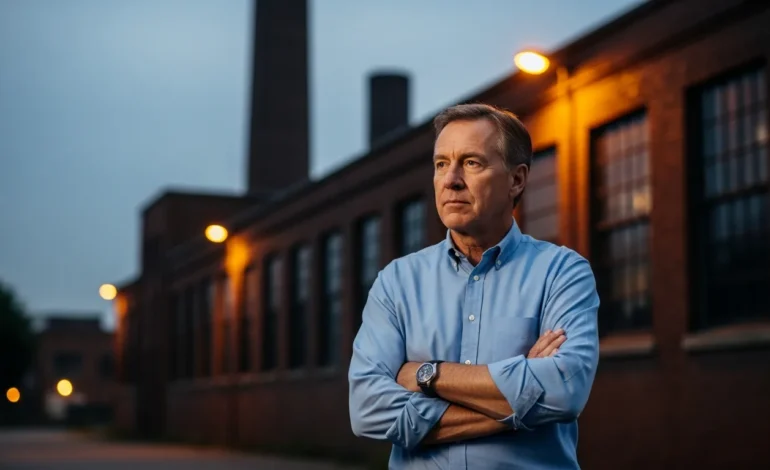
WASHINGTON, D.C. — In a major development that could reshape the American political landscape, former Senator Sherrod Brown is reportedly exploring a high-stakes return to the political arena, positioning himself as a populist alternative for voters disillusioned by the current administration’s economic and social trajectory.
Following a narrow and stinging defeat in the previous election cycle, the veteran lawmaker is testing the waters for a 2026 comeback. Sources close to the former Senator indicate his strategy hinges entirely on a growing phenomenon described by political analysts as “voter remorse.”
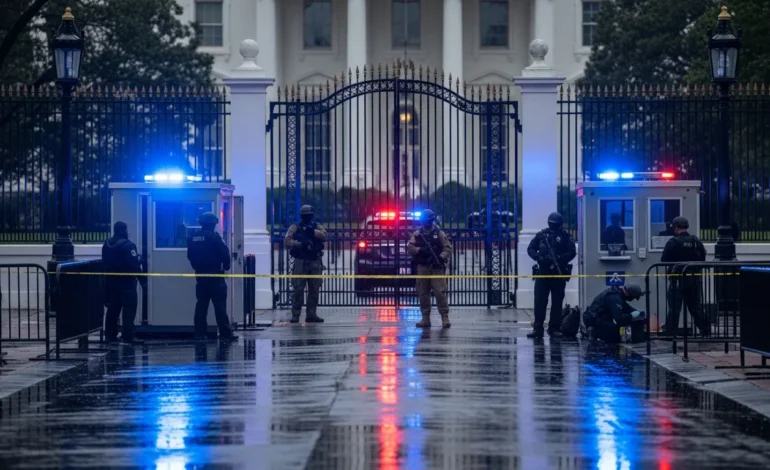
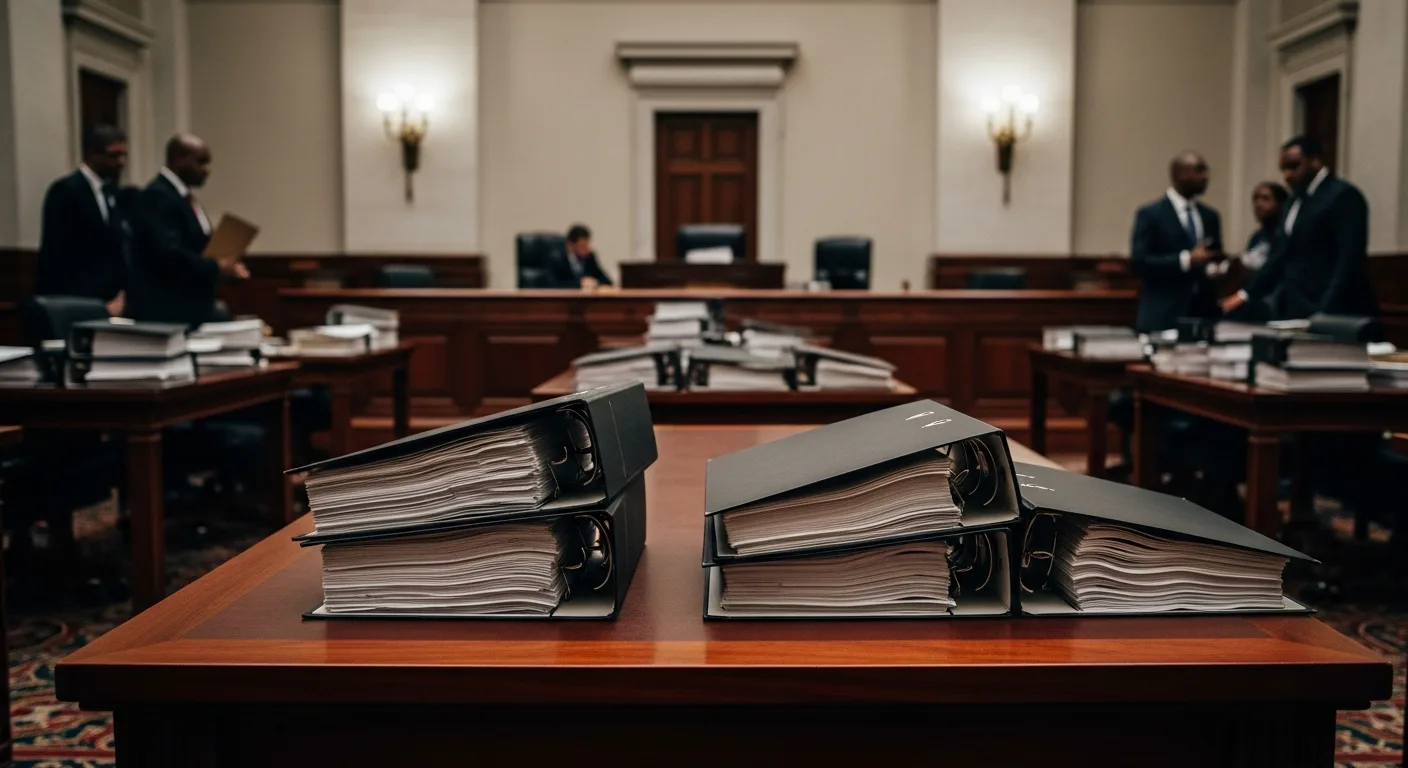
Brown’s potential re-emergence comes at a time of heightened political volatility. While national headlines have been dominated by the historic legal proceedings and closing arguments in major criminal trials, the ground-level focus for Brown remains the industrial heartland.
The Strategy of Remorse
The core of Brown’s prospective campaign is a direct appeal to the blue-collar base that once served as his political bedrock. Early internal polling suggests a significant shift in sentiment among moderate and independent voters who supported the current leadership but now find themselves struggling with persistent inflation and shifting social mandates.
Advisors to Brown suggest that the current administration’s economic policies have left a vacuum in the Rust Belt. This vacuum, they argue, is ripe for a candidate who emphasizes labor rights and domestic manufacturing over globalist initiatives.
“The data shows a clear trend of buyers’ remorse,” stated one strategist familiar with Brown’s internal deliberations. “Voters are looking for a familiar voice who understands the kitchen-table issues that have been sidelined by the current legislative agenda.”
Economic Headwinds and Labor Focus
Brown’s legacy as a champion for the working class remains his greatest asset. During his tenure, he was a vocal advocate for corporate accountability, particularly in the wake of industrial disasters that devastated local communities.
The former Senator’s supporters frequently point to his record on infrastructure and safety. This includes his aggressive stance following the landmark safety overhaul and federal settlement for Norfolk Southern, which remains a pivotal issue for voters in the Ohio River Valley.
By focusing on these tangible outcomes, Brown hopes to contrast his record with what he characterizes as the “unfulfilled promises” of his successors. He is expected to frame the 2026 race not as a partisan battle, but as a corrective measure for a middle class that feels abandoned.
A Battleground Re-Emergence
The path to a political resurrection is fraught with challenges. The political machinery that ousted Brown remains well-funded and highly organized, prepared to defend the current status quo with significant resources.
However, the shifting demographic data suggests that the traditional boundaries of battleground states are in flux. The “voter remorse” Brown seeks to tap into is not limited to a single party; it spans a broad spectrum of citizens who feel the current social and economic policies have moved too far from the center.
As the 2026 cycle begins to take shape, Brown’s movements are being watched closely by both parties. His entry into a race would immediately elevate it to a top-tier national contest with significant implications for the balance of power in Washington.
For now, Brown remains in the listening phase, conducting private meetings with labor leaders and community organizers. A formal announcement is expected before the end of the summer, depending on the continued trajectory of national economic indicators.
Frequently Asked Questions
Why is Sherrod Brown considering a return to politics?
Brown is reportedly responding to internal data suggesting that a significant portion of the electorate feels “voter remorse” regarding the current administration’s economic and social policies. He aims to position himself as a voice for the working class.
What is the primary focus of Brown’s potential campaign?
His strategy focuses on economic populist themes, labor rights, and domestic manufacturing, specifically targeting voters in the industrial heartland who feel left behind by current policies.
When would Sherrod Brown likely announce his candidacy?
While no official date has been set, political insiders expect a formal decision or announcement by late summer 2026, following a period of exploratory meetings with key stakeholders.
What does “voter remorse” mean in this political context?
In this context, it refers to the dissatisfaction felt by moderate and independent voters who believe the current administration’s policies have led to economic hardship or social shifts they no longer support.