What Does Zero Proof Mean?
The Technical Definition of Zero Proof
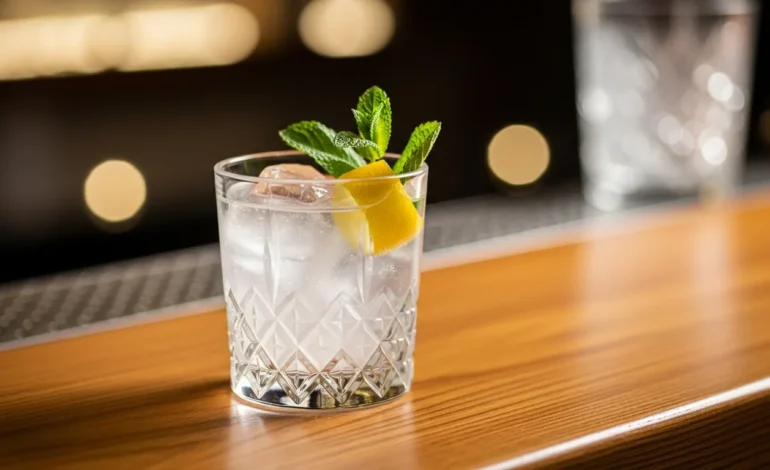
In the 2026 beverage industry, the term “zero proof” refers to a drink that contains 0.0% alcohol by volume (ABV). Unlike traditional spirits or fermented beverages, zero proof products are engineered from the ground up to ensure no ethanol is present at any stage of the final formulation. This designation is primarily used to distinguish products from the broader “non-alcoholic” category, which may still contain trace amounts of alcohol.
Consumers often seek zero proof options for medical, religious, or personal wellness reasons. As the FDA continues to prioritize precision health standards, the labeling of these beverages has become increasingly scrutinized to ensure that “zero” literally means 0.00% measurable ethanol. This technical threshold is critical for individuals with total-abstinence requirements.
Zero Proof vs. Non-Alcoholic Labeling Standards
The primary distinction between zero proof and non-alcoholic lies in the legal ABV threshold. Under current U.S. Alcohol and Tobacco Tax and Trade Bureau (TTB) and FDA regulations, a beverage labeled as “non-alcoholic” is permitted to contain up to 0.5% ABV. While this amount is negligible for most, it is not zero. Zero proof is a more stringent marketing and technical claim indicating the total absence of alcohol.
- Zero Proof: Strictly 0.0% ABV; no fermentation-derived ethanol.
- Alcohol-Free: A legally protected term requiring 0.0% ABV throughout production.
- Non-Alcoholic: May contain up to 0.5% ABV (common in dealcoholized beers).
- Dealcoholized: A product that started as alcohol but had the ethanol removed to below 0.5% ABV.
With a record-breaking 44 million Americans hitting the road this season, the demand for zero proof alternatives has surged among designated drivers and safety-conscious travelers. Understanding these labels is essential for maintaining compliance with personal or professional sobriety standards.
Production Methods for 0.0% ABV Beverages
Zero proof beverages are typically produced through two primary methods: botanical maceration and molecular assembly. Botanical maceration involves steeping herbs, roots, and spices in water or glycerin to extract flavors without using ethanol as a solvent. This ensures the product never touches alcohol during the manufacturing process, maintaining a true 0.0% profile from start to finish.
Molecular assembly uses food science to replicate the mouthfeel and “burn” of traditional spirits using ingredients like capsaicin, tannins, and complex acids. Because these products are not fermented, they do not require the dealcoholization process, which often leaves behind the 0.5% trace amounts found in “non-alcoholic” wines and beers. This method is the gold standard for 2026 zero proof spirits.
Exceptions and What is NOT Allowed
It is critical to note that “Zero Proof” is currently a commercial term and not yet a standalone legal classification in the same way “Alcohol-Free” is regulated. Manufacturers are not allowed to use the term “Zero Proof” on products that contain any measurable amount of alcohol, as this would constitute misbranding under FDA 21 CFR Part 101. Additionally, products labeled as zero proof cannot claim to have health benefits that are not supported by clinical evidence.
- No Trace Alcohol: Products with 0.1% to 0.5% ABV cannot legally use the “Zero Proof” or “Alcohol-Free” label.
- Age Restrictions: Some states still regulate the sale of “near-beer” or non-alcoholic beverages to minors, regardless of the 0.0% status.
- Fermentation Risks: Naturally fermented drinks like kombucha are generally NOT zero proof, as they often hover between 0.5% and 1.5% ABV.
- Solvent Disclosure: If ethanol was used as a carrier for flavorings and remains in the final product above 0.05%, the “Alcohol-Free” claim is prohibited.
Frequently Asked Questions
Can you get intoxicated from a zero proof drink?
No, it is physiologically impossible to become intoxicated from a zero proof beverage. Because these drinks contain 0.0% ABV, there is no ethanol for the body to process into the bloodstream. Even if consumed in massive quantities, the alcohol content remains at zero, making them safe for individuals who must avoid alcohol for medical or legal reasons.
Is zero proof the same as a mocktail?
While the terms are used interchangeably in social settings, they differ in technical composition. A mocktail is a general term for any mixed drink without alcohol, which might include juices or sodas. Zero proof specifically refers to the technical 0.0% ABV status of the base ingredients, often mimicking the complexity of spirits without the ethanol content.
Are zero proof drinks safe for pregnant women?
Generally, zero proof (0.0% ABV) drinks are considered safe during pregnancy because they lack the ethanol that causes fetal alcohol syndrome. However, many zero proof spirits contain botanical extracts, adaptogens, or nootropics. Expectant mothers should consult the ingredient list and their healthcare provider to ensure specific herbs or additives are safe for consumption during their pregnancy.
Do zero proof spirits have an expiration date?
Yes, zero proof spirits typically have a shorter shelf life than traditional spirits. Alcohol acts as a natural preservative; without it, botanical infusions are more susceptible to oxidation and spoilage. Most zero proof products should be consumed within 6 to 12 weeks of opening and often require refrigeration to maintain flavor integrity and safety standards.