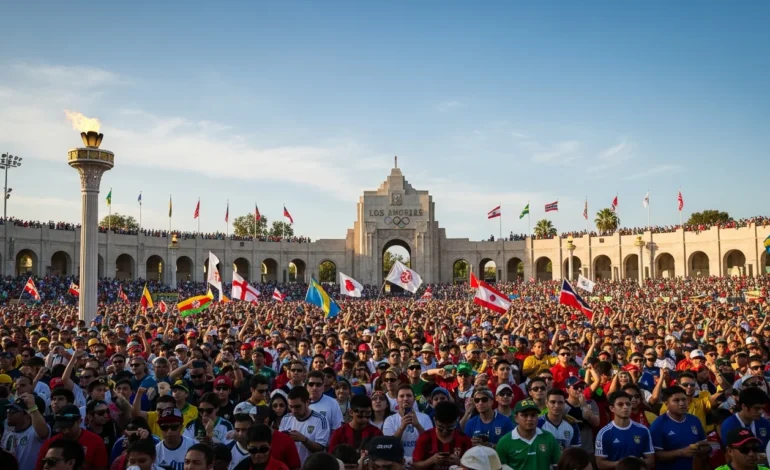
2026 World Cup Expands to Historic Scale as Mexico and South Africa Ignite North American Opener
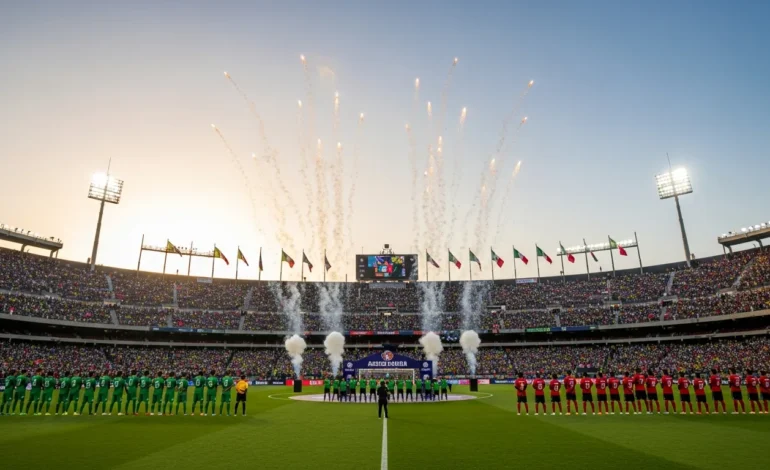
For the groundskeepers at the Mexico City Stadium, the weight of history isn’t just in the turf—it is in the realization that the Estadio Azteca is now the first venue to host three World Cup opening matches. This afternoon, that legacy meets a massive new reality as the largest tournament in FIFA history officially begins.
Mexico faces South Africa at 3:00 PM ET, marking the start of a 39-day marathon co-hosted by the United States, Canada, and Mexico. This 2026 edition shatters previous formats, expanding the field from 32 to 48 national teams for the first time in the sport’s history.
A Triple-Nation Logistical Blueprint
FIFA President Gianni Infantino is expected to attend the opening ceremony, an event that underscores the shift toward a decentralized, continental hosting model. The tournament will feature 104 matches, a significant jump that requires seamless coordination between three sovereign nations and dozens of local municipalities.
The expansion to 12 groups of four teams ensures that 32 nations will advance to the knockout stage. This structure aims to increase global representation, though it places unprecedented demand on North American transportation and security infrastructure.
- Total Matches: 104 games played over 39 days.
- Final Match: Scheduled for July 19, 2026.
- Format: 12 groups of four, with the top two and eight best third-place teams advancing.
Rematch in the High Altitude
Today’s match serves as a strategic rematch of the 2010 World Cup opener in Johannesburg, which famously ended in a 1-1 draw. South Africa enters the pitch ranked 60th in the FIFA World Rankings, looking to play the role of spoiler in front of a raucous Mexican home crowd.
The match also highlights the evolving talent pipeline between domestic leagues and international squads. Philadelphia Union center back Olwethu Makhanya, age 22, is a key figure for the South African defense, representing the growing influence of Major League Soccer on the global stage.
The Policy of Expansion
The decision to move to 48 teams was a cornerstone of recent FIFA policy, intended to provide more opportunities for developing football nations. Critics have questioned the potential for diluted competition, but the financial forecast suggests record-breaking broadcast and sponsorship revenue for the three host nations.
As the tournament progresses, the focus will shift from the cultural festivities in Mexico City to the high-stakes knockout rounds across the United States and Canada. This opening whistle is more than a game; it is the start of a test case for whether a multi-national sports event of this scale can remain manageable and secure.
Frequently Asked Questions
How does the 48-team format change the knockout stage?
Unlike previous tournaments where 16 teams advanced, the 2026 format introduces a Round of 32. This means teams must navigate an extra knockout game to reach the final on July 19.
Why was the Estadio Azteca chosen for the opening match?
The venue is one of the most iconic in world football, having hosted the finals of the 1970 and 1986 World Cups. Its selection honors Mexico’s deep history with the sport as the first three-time host of an opening game.
Are there any new roster rules for this tournament?
While the core rules remain the same, the expanded schedule and increased travel across three countries have led to discussions regarding player recovery and squad depth management for the 48 participating nations.