Your Low Battery Could Be Costing You: Uber and Lyft Accused of Data-Driven Price Gouging
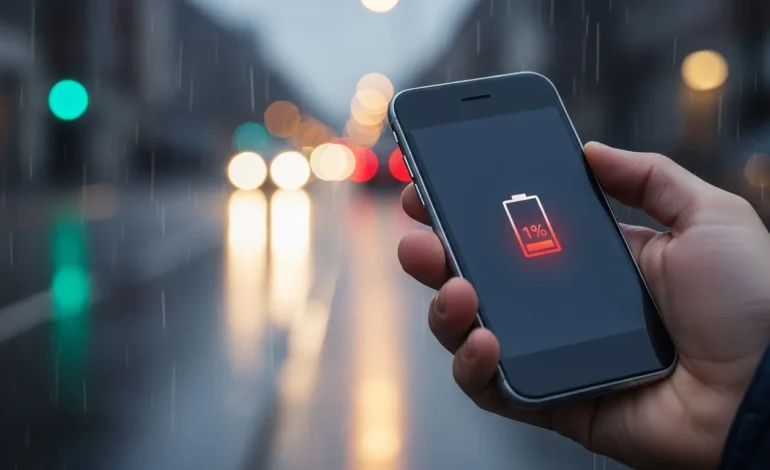
The smartphone in your pocket is telling Uber exactly how desperate you are for a ride home. Standing on a street corner with 2% battery could trigger a price hike that your neighbor with a full charge never sees.
Consumer Reports filed a formal accusation against Uber and Lyft on Thursday, June 18, 2026. The group alleges these platforms use personal data to set different prices for identical routes at the same time.
An investigation using mystery shoppers across 15 major U.S. cities found significant price discrepancies. Researchers discovered that fares often fluctuated based on the user’s device type and digital history.
Dynamic pricing algorithms are reportedly factoring in a user’s perceived “willingness to pay” rather than simple supply and demand. This shift moves away from traditional surge pricing toward individual-level economic profiling.
Mystery Shoppers Expose 20% Fare Gaps
The data suggests that price variations for the same trip can reach as high as 20%. Users with high-end devices or low battery percentages were frequently charged more for the same mileage.
Consumer Reports released these findings as part of a broader study on how Big Tech leverages consumer data. The methodology tracked thousands of ride requests to isolate variables like device age and battery health.
Denials and the Call for Federal Regulation
Uber and Lyft have denied the allegations, stating that pricing is strictly based on real-time market conditions. They maintain that factors like traffic and driver availability are the only drivers of cost.
Privacy advocates are now calling for new federal regulations to ban “algorithmic price discrimination.” They argue that using personal hardware status to set prices violates basic consumer protections.
The Federal Trade Commission (FTC) has been urged to open a formal inquiry into the ride-hailing industry’s data practices. This controversy follows years of legal battles regarding driver classification and wage transparency.
The Desperation Tax on Older Hardware
This pricing model creates a hidden “desperation tax” that may disproportionately impact lower-income users. Those unable to afford the latest smartphones often deal with degraded batteries that trigger these higher fare algorithms.
If hardware health becomes a standard metric for pricing, it could set a precedent for other digital services. Future subscription models or travel bookings might soon look at your device’s health before showing a final price.
Frequently Asked Questions
How does my battery percentage affect my Uber fare?
Advocacy groups claim that low battery levels signal a higher urgency to book a ride, allowing algorithms to increase the price based on your immediate need.
Is algorithmic price discrimination currently illegal?
No specific federal law currently bans this practice, though the FTC is being pressured to classify it as an unfair or deceptive trade practice.
Does using a VPN or an older phone help lower prices?
While not confirmed by the companies, the Consumer Reports data suggests that your digital footprint and device type play a role in the final fare shown.