UCLA Research Quantifies the Structural ‘Climate Tax’ Driving U.S. Inflation
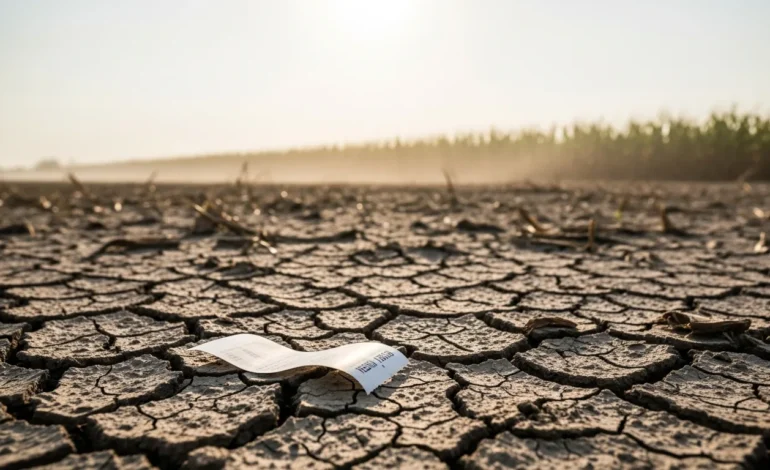
A 5 to 10 percent contraction in staple crop yields is now a primary inflationary signal, according to data presented at a national economic summit on Thursday. A UCLA research paper released June 18 confirms that climate-linked events are siphoning hundreds of dollars from the average U.S. household every year.
The study identifies extreme heat, wildfires, and flooding as the primary catalysts for persistent supply chain disruptions and rising consumer prices. Two-thirds of Americans surveyed for the report agree that environmental factors are making groceries, utilities, and insurance significantly more expensive.
Insurance Volatility and Infrastructure Strains
Home insurance premiums in high-risk states like Florida and California have seen the sharpest increases as risk models adjust for intensifying weather patterns. These localized spikes are contributing to a broader inflationary trend that researchers describe as a structural ‘climate tax’ on the American middle class.
The report notes that while the financial impact is clear, lawmakers remain hesitant to implement aggressive climate policies. Many officials fear that passing immediate transition costs to voters could trigger a political backlash, despite the long-term savings projected by the study.
The Fossil Fuel Debate and Urban Mitigation
Rhode Island Senator Sheldon Whitehouse criticized the lack of aggressive action against the fossil fuel industry during the summit. He argued that the current economic burden is being unfairly shifted from energy producers to everyday consumers.
To mitigate these costs, the UCLA researchers proposed a shift in urban planning focused on shorter trips and reduced transit reliance. The study suggests that ‘vehicle miles driven’ is a more accurate metric for assessing environmental and financial impact than traditional traffic congestion measures.
- ‘Go Green, Save Green’ Initiative: Highlighted as a framework to help households lower monthly expenses through efficiency.
- Agricultural Impact: Staple crop yields have decreased by 5-10% in erratic weather zones, directly inflating food prices.
- Supply Chain Fragility: Extreme heat is now cited as a major disruptor of logistics and labor productivity.
The Structural Floor of Modern Inflation
Unlike cyclical inflation driven by monetary policy, climate-driven price hikes represent a permanent structural shift in the cost of living. This creates a new baseline for the Consumer Price Index that traditional interest rate hikes may struggle to suppress.
The UCLA findings suggest that without significant infrastructure adaptation, the annual cost to households will continue to climb as insurance markets and food systems struggle to maintain stability. Analysts at the summit noted that the financial sector is already pricing in these risks, even if legislative bodies are not.
Frequently Asked Questions
What is the ‘Go Green, Save Green’ initiative mentioned in the study?
It is a proposed policy framework designed to provide households with financial incentives and practical tools to reduce utility and transportation costs through energy efficiency and localized urban design.
How does the study link urban planning to lower grocery bills?
The research argues that reducing overall vehicle miles driven through better urban density lowers fuel demand and logistics costs, which eventually eases the pressure on food distribution prices.
Why are Florida and California singled out in the report?
These states serve as the primary indicators for insurance market volatility, where the frequency of wildfires and hurricanes has forced a total recalibration of home and commercial property coverage.
What is the unique ‘vehicle miles driven’ metric?
Instead of measuring how long cars sit in traffic, this metric tracks the total distance traveled to complete daily tasks, providing a clearer picture of a community’s carbon footprint and its vulnerability to fuel price spikes.