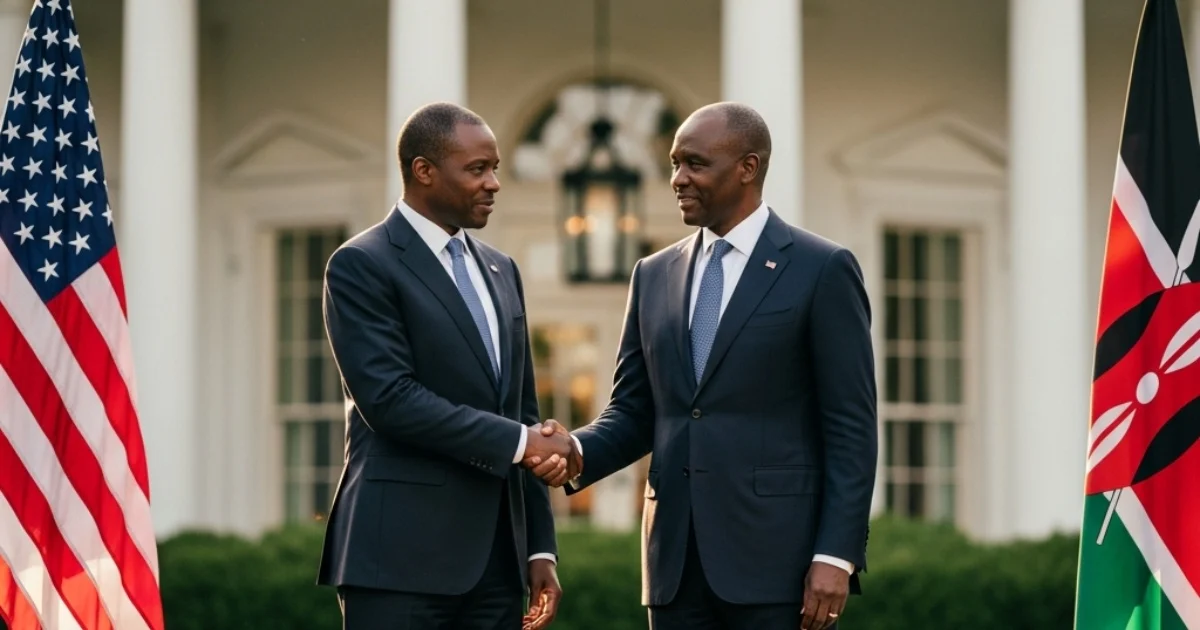
Doha Summit Set as U.S. and Iran Reach Strategic ‘Stand Down’ in Strait of Hormuz
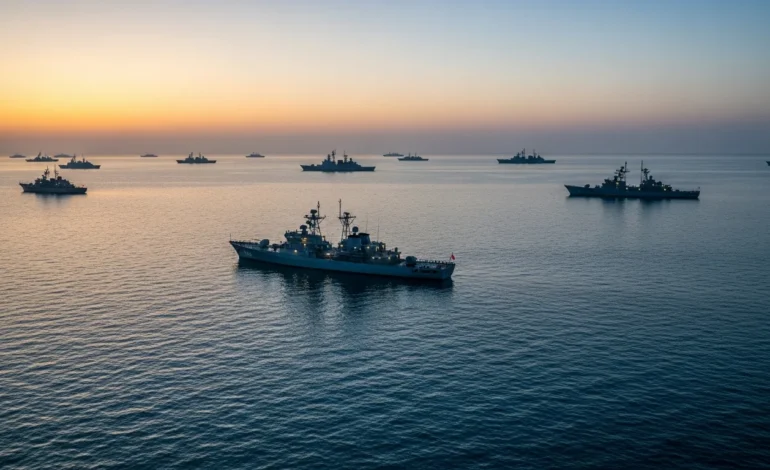
The Strait of Hormuz has functioned as the primary artery of the global energy economy for decades, meaning any disruption there carries the weight of a systemic financial shock. On Tuesday, June 30, 2026, President Donald Trump and the Iranian government agreed to a temporary ‘stand down’ following a series of recent military strikes that briefly paralyzed the transit route.
This immediate cessation of hostilities was facilitated by a request from Tehran for direct negotiations. A high-level summit is now scheduled for Wednesday, July 1, in Doha, Qatar, where both parties intend to discuss securing the Gulf for international commercial vessels.
Strategic Implications of the Doha Summit
The agreement follows an exchange of kinetic strikes between U.S. and Iranian forces that sent oil prices up 1% on Monday, June 29. While the ‘stand down’ provides a window for diplomacy, the underlying triggers for the conflict remain unresolved as both nations navigate conflicting diplomatic signals.
U.S. officials are simultaneously preparing for a secondary round of talks in Moscow following the Doha meeting. This sequence indicates that the Trump administration is pursuing a multi-lateral framework to stabilize global energy supply chains through engagement with traditional regional power brokers.
Market Volatility and Maritime Security
The primary objective of the Doha meeting is to establish a durable security protocol for the Strait of Hormuz, a lane critical for the movement of global petroleum products. Success in Qatar would mark a significant shift from the military posture that has defined the relationship over the last several months.
- Oil Price Reaction: Brent crude rose 1% on June 29 before stabilizing following the ‘stand down’ announcement.
- Shipping Safety: The agreement specifically aims to protect neutral international vessels from further ceasefire violations.
- Regional Friction: Concurrent Israeli strikes against Hezbollah continue to threaten the broader regional truce.
The involvement of Moscow immediately after the Doha talks suggests a new diplomatic architecture. By leveraging Russian influence over Tehran, the U.S. may be seeking to link Gulf maritime security to broader Eurasian geopolitical objectives, potentially bypassing traditional European intermediaries.
Related Coverage
- Navy Operations Guarding Neutral Vessels in the Strait of Hormuz
- Trump Signals Potential for Comprehensive Nuclear Accord with Tehran
Frequently Asked Questions
What prompted the sudden shift toward diplomacy?
Iranian officials reportedly requested the Doha meeting following an exchange of military strikes that threatened to escalate into a full-scale regional conflict and disrupt vital shipping lanes.
How does the Moscow visit relate to the Doha talks?
U.S. negotiators plan to visit Russia immediately after the Doha summit, suggesting a coordinated effort to involve major global actors in stabilizing the Middle East energy corridor.
Is this a permanent ceasefire?
No, the current agreement is a temporary ‘stand down’ designed specifically to allow for negotiations in Qatar and to ensure the immediate safe passage of international shipping.