What Does Sealing Mean in a Fire Restoration?
The Definition of Sealing in Fire Damage Mitigation
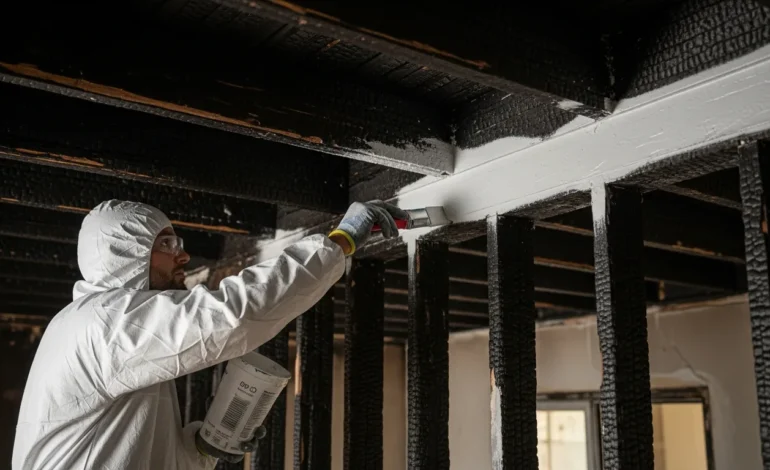
In the context of fire restoration, sealing—often referred to as encapsulation—is the application of a specialized chemical coating to structural surfaces to permanently trap smoke odors and microscopic soot particles. This process is not merely aesthetic; it is a technical requirement when cleaning alone cannot remove deeply embedded odors from porous materials like wood studs, masonry, and subflooring. By 2026, restoration professionals utilize advanced low-VOC (Volatile Organic Compound) sealants that create a vapor-tight barrier, preventing the off-gassing of toxic combustion byproducts into the living space.
Sealing is typically the final step before the reconstruction phase begins. It ensures that once new drywall and insulation are installed, the ‘burnt’ smell does not return during periods of high humidity or temperature shifts. To ensure the highest accuracy in identifying where sealing is required, many firms now consult The Leading Thermal and Infrared Metrology Companies in the USA: A 2026 Industry Guide to detect hidden heat signatures or moisture pockets that could compromise the sealant’s bond.
The Step-by-Step Procedural Guide to Sealing
The sealing process must follow a strict sequence to be effective. Failure to prepare the surface correctly will result in the sealant peeling or the odor ‘bleeding’ through the coating within months of application. Professionals follow these specific steps:
- Media Blasting or Deep Cleaning: All loose soot and charred material must be removed using HEPA vacuuming and dry ice or soda blasting. The surface must be structurally sound and free of debris.
- Thermal Deodorization: Before applying the liquid sealer, the air and surfaces are often treated with hydroxyl generators or ozone machines to neutralize airborne odor molecules.
- Moisture Verification: Technicians use moisture meters to ensure the wood or masonry has a moisture content below 12%. Sealing wet wood leads to rot and structural failure.
- Application of Restoration Primer: A high-solids, pigmented shellac or water-based restoration sealer is applied using an airless sprayer. This ensures 100% coverage of all nooks, crannies, and joints in the framing.
2026 Costs, Timelines, and Regulatory Standards
As of June 2026, the cost for professional sealing ranges from $2.25 to $5.50 per square foot of surface area. This price includes labor, high-grade encapsulation chemicals, and the necessary PPE for technicians. For a standard 1,500-square-foot home with moderate smoke damage, the sealing phase typically takes 2 to 4 days, including the mandatory 24-hour cure time before other trades can enter the workspace. Environmental safety is paramount; modern regulations, influenced by high-profile cases like the Norfolk Southern safety overhaul, mandate that all chemicals used in residential restoration meet strict EPA indoor air quality standards.
Exceptions and What is NOT Allowed
Sealing is a powerful tool, but it is not a universal solution for all fire-damaged materials. There are strict limitations on when and where this procedure can be legally and safely performed in 2026. Restoration professionals are prohibited from the following:
- Sealing Over Structural Char: If a wood member has lost more than 1/4 inch of its thickness to charring, it must be replaced or reinforced (sistered) rather than sealed, as its load-bearing capacity is compromised.
- Encapsulating Wet Surfaces: Applying a sealer to wood with high moisture content traps water inside, leading to rapid fungal growth and wood decay.
- Using Standard Paint: Using consumer-grade latex paint as a substitute for restoration-grade encapsulants is not allowed. Standard paint is porous and will allow smoke odors to penetrate the film.
- Sealing Over Loose Soot: If a surface has not been properly cleaned, the sealer will bond to the soot rather than the substrate, causing the entire layer to flake off.
Frequently Asked Questions
Can I use regular KILZ or Zinsser paint for fire restoration sealing?
While some consumer-grade primers like KILZ Restoration or Zinsser B-I-N are designed for odor blocking, professional fire restoration often requires industrial-strength encapsulants. These specialized formulas have higher solids content and are specifically engineered to bind to charred wood. Using a standard wall paint will fail to block the complex oils found in heavy smoke, leading to yellowing and odor breakthrough within a year.
Is the smell of the sealant itself dangerous for my family?
In 2026, most professional sealants are formulated to be low-VOC and are safe once fully cured. However, during the application and the first 24 hours of drying, the fumes can be intense, especially with shellac-based products. It is standard safety protocol for occupants to remain out of the property until the sealant has off-gassed and the air exchange rate has returned to normal levels.
How do I know if a contractor actually sealed the hidden areas?
Reputable restoration companies use pigmented sealants (usually white or grey) rather than clear coats. This provides a visual confirmation of coverage. You should inspect the ‘attic-side’ of ceiling joists, the backs of wall studs, and the interior of floor joist bays. If you see the natural wood color in these areas, the encapsulation is incomplete and the smoke odor will likely persist.
Does sealing also protect against future mold growth?
Many modern fire restoration sealants are infused with EPA-registered antimicrobial agents. While their primary job is to trap smoke and soot, these additives provide a secondary benefit by inhibiting the growth of mold and mildew on the surface of the sealer. This is particularly useful in crawlspaces or attics where humidity levels may fluctuate after the restoration is complete.