Sky Silence Over Zagros: Iran’s Flight Ban Signals Imminent Regional Flashpoint
For travelers watching the digital departure boards in Dubai and Istanbul on Sunday, the sudden erasure of routes over western Iran was more than a logistical hurdle. It was a definitive signal that the window for diplomacy in the Middle East is rapidly narrowing.
Iran announced the suspension of all commercial flights in its western region on June 14, 2026, citing security concerns. The move effectively grounded traffic over the strategic Zagros Mountains, a corridor vital for international transit between Europe and Asia.
Global energy markets reacted with immediate volatility, sending oil prices spiking to $95 per barrel following the announcement. Traders are pricing in the risk of a broader disruption to supply lines as the region braces for potential military action.
Militaries on High Alert as Intelligence Warns of Escalation
U.S. intelligence reports now suggest an “imminent” risk of escalation between Tehran and its regional adversaries. In response, the U.S. State Department issued a Level 4 “Do Not Travel” advisory on June 15, urging all American citizens to avoid the region entirely.
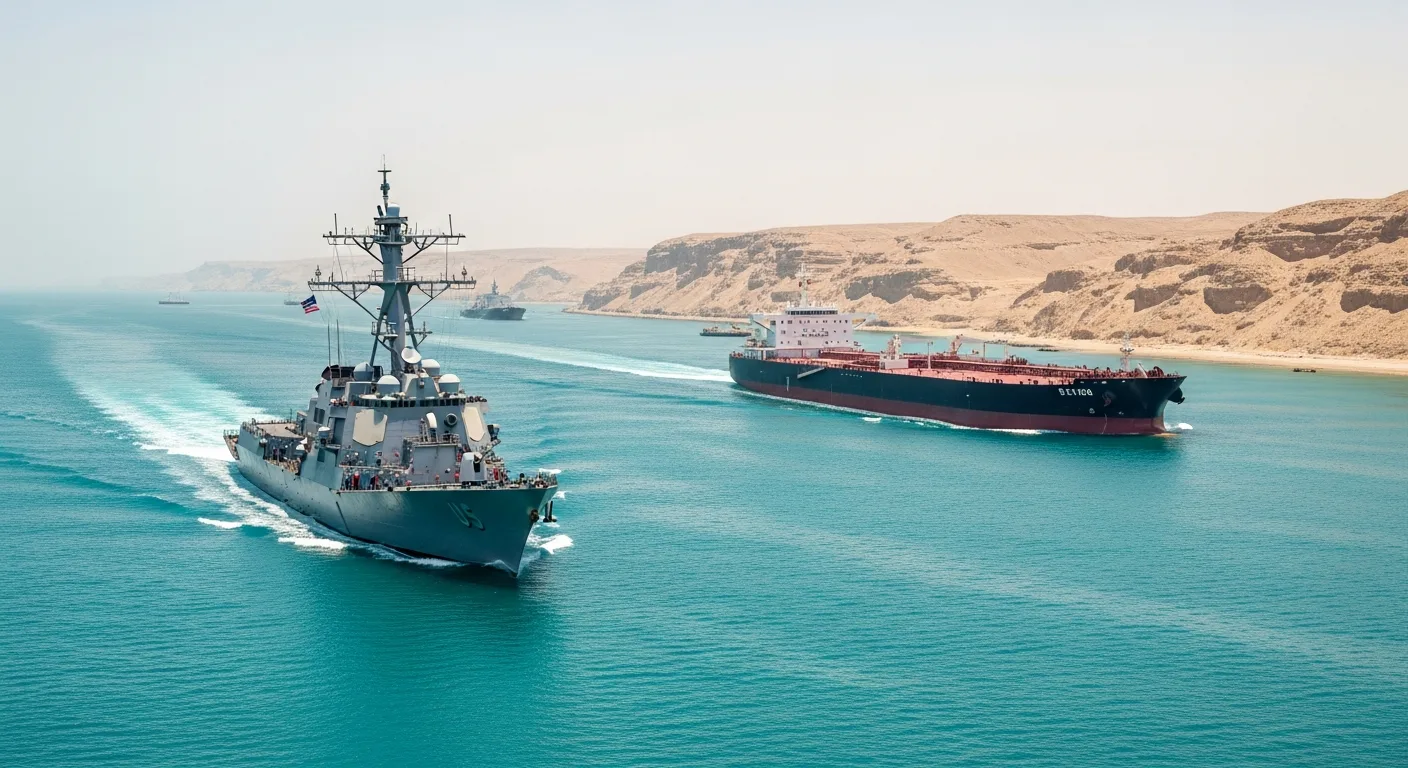
Israel has placed its northern command on high alert, monitoring Iranian military movements that coincide with the flight restrictions. The U.S. Fifth Fleet has also increased patrols in the Strait of Hormuz as a precautionary measure to ensure maritime stability.
The flight ban is scheduled to remain in place for at least 72 hours, though security analysts suggest it could be extended. Major international airlines have already rerouted hundreds of flights to avoid the restricted airspace, adding significant time and fuel costs to global travel.
- Oil prices surged to $95 per barrel on the global market.
- The U.S. State Department issued a Level 4 ‘Do Not Travel’ advisory on June 15.
- Israeli Northern Command is on high alert following Iranian troop movements.
- The U.S. Fifth Fleet has fortified patrols in the Strait of Hormuz.
The Strategic Silence of the Zagros Mountains
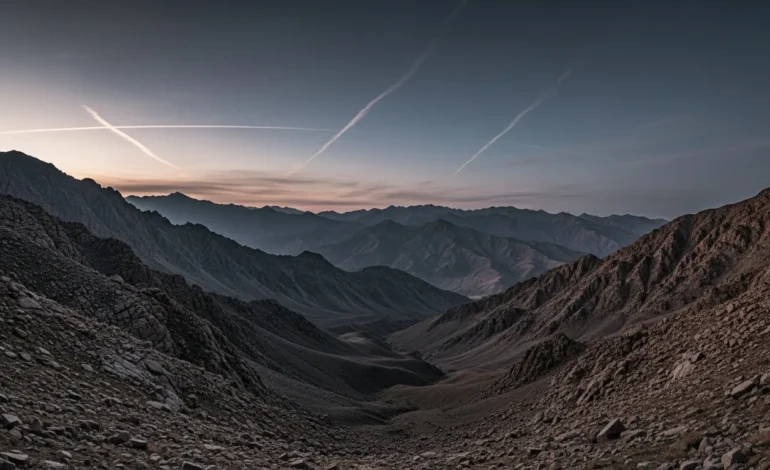
The choice of the western region is geographically significant, as the Zagros Mountains provide a natural shield for mobile missile batteries. By clearing the skies of civilian aircraft, Tehran effectively creates a “black box” that complicates aerial and satellite surveillance of its tactical deployments.
This escalation follows years of political restructuring in Iran, which saw a rise in hardline influence after the death of the Iranian President in a 2024 helicopter crash. While the United Nations and Qatar are leading urgent diplomatic efforts to de-escalate, the military posturing on both sides remains at a decade-high peak.
Frequently Asked Questions
What specific areas are affected by the flight suspension?
The suspension primarily targets the western region of Iran, specifically the airspace over the Zagros Mountains and major provincial hubs near the Iraqi border. This area is a critical junction for international flights connecting Western Europe with the Persian Gulf and Southeast Asia.
How is this affecting domestic gasoline prices in the United States?
The spike in global crude to $95 per barrel is expected to hit American pumps within the week. Analysts suggest that if the flight ban and regional tensions persist, national averages could climb significantly higher during the peak summer driving season.
Is there a timeline for when the airspace might reopen?
The initial NOTAM (Notice to Airmen) specifies a 72-hour window, but reopening is contingent on a security assessment. If diplomatic efforts by Qatar and the UN fail to produce a visible de-escalation, the ban could be renewed indefinitely.