Climate Volatility Challenges the Viability of Traditional Summer Global Tournament Schedules

The intersection of global climate policy and international sporting prestige has reached a critical flashpoint as the 2026 FIFA World Cup concludes its initial phase under unprecedented environmental strain. A joint analysis by The Guardian and the players’ union Fifpro has identified nine group stage matches played in “severe heat” conditions that should have triggered immediate postponements.
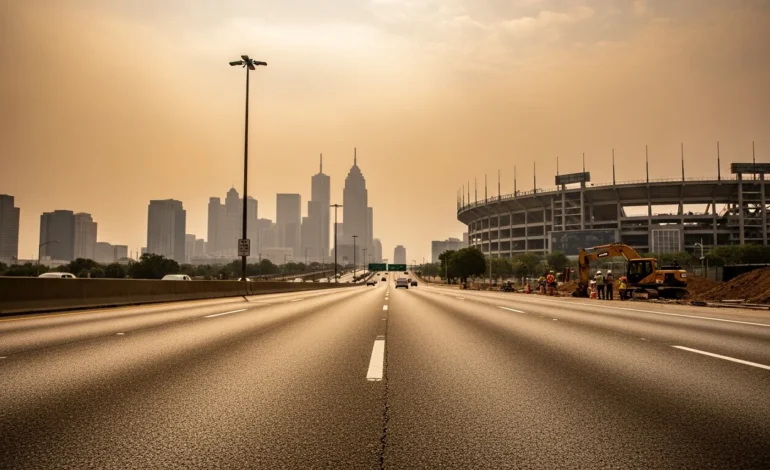
The group stage, which concluded on Saturday, June 27, featured two particularly hazardous fixtures at Hard Rock Stadium in Miami, Florida. Uruguay’s match against Cape Verde on June 21 reached a wet-bulb globe temperature (WBGT) of 33°C (91.4°F), while their earlier encounter with Saudi Arabia recorded 32.9°C.
Institutional Friction Over Heat Safety Thresholds
Fifpro maintains that any WBGT level at or exceeding 28°C (82°F) constitutes a significant health risk and should necessitate a match delay. While thirteen additional matches were played in cities exceeding these safety thresholds, the use of air-conditioned stadiums mitigated the immediate environmental threat to athletes.
The discrepancy between scientific safety recommendations and tournament execution highlights a growing tension between commercial broadcasting commitments and player welfare. FIFA’s current protocols are facing intense scrutiny as the 2026 tournament spans 11 cities across the United States, Canada, and Mexico during a period of record-breaking regional temperatures.
Geopolitical Implications of a Warming Planet on Diplomacy
A spokesperson for Fifpro argued that the reality of a warming planet must dictate the fundamental scheduling of future international tournaments. This shift suggests that the traditional summer window for global events may no longer be viable for host nations in equatorial or high-heat latitudes.
The analysis coincides with a severe heatwave currently impacting the Midwest and Eastern United States, further complicating the logistical landscape for the knockout stages. The reliance on artificial cooling in specific venues creates a tiered safety environment that could influence future host selection processes and diplomatic sporting ties.
- Extreme Exposure: Matches in Miami exceeded safety limits by nearly five degrees Celsius without the mitigation of climate control.
- Systemic Risk: Nine out of 72 games were classified as “severe,” representing 12.5% of the total group stage fixtures.
- Infrastructure Divide: The 13 matches played in air-conditioned venues demonstrate the increasing necessity of high-cost, energy-intensive infrastructure for summer events.
The long-term consequence of these findings may involve a permanent move toward winter schedules for summer-centric sports. Such a transition would require a total restructuring of domestic league calendars and international trade agreements related to sports tourism and media rights.
Frequently Asked Questions
How does wet-bulb globe temperature differ from standard temperature?
WBGT is a composite measure that accounts for temperature, humidity, wind speed, and solar radiation to provide a more accurate assessment of heat stress on the human body. It is considered the gold standard for assessing safety in outdoor athletic environments compared to the standard “feels like” index.
Which teams were most affected by the severe heat conditions?
Uruguay was subjected to the highest recorded levels in both of their matches in Miami, facing Cape Verde and Saudi Arabia in conditions exceeding 32.9°C WBGT. These fixtures represent the most extreme environmental challenges documented during the 72-game group stage.
What are the proposed solutions for future tournaments?
Fifpro and climate analysts suggest moving tournament windows to cooler months or mandating that all host venues possess advanced climate-control technology. These adjustments aim to prevent the physiological strain that occurs when athletes compete in environments where the body cannot effectively cool itself.