Father’s Day 2026 Meets the Longest Day: A Rare Solar Alignment for American Families
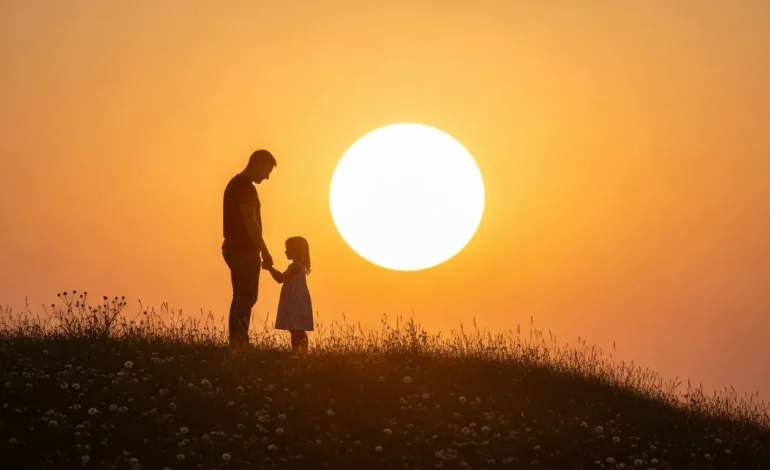
Across the United States, families firing up backyard grills for Father’s Day are being greeted by the earliest sunrise and the longest stretch of daylight in over a decade. The 2026 June solstice officially arrived this morning, Sunday, June 21, marking the astronomical start of summer and a rare calendar alignment.
While the solstice occurs annually, its coincidence with Father’s Day provides a unique backdrop for outdoor celebrations and nature retreats. In Washington D.C., the Sun reached its peak position at approximately 6:24 AM ET, signaling the height of solar intensity for the Northern Hemisphere.
A Celestial Milestone for Agriculture and Energy
For farmers across the American heartland, this date serves as a critical marker for crop cycles and the transition into the year’s most demanding growing period. The maximum hours of daylight also place a significant, though predictable, load on the national power grid as cooling demands surge alongside the sun.
Meteorologists note that while today provides the most daylight, the hottest days of the year typically lag behind the solstice by several weeks. This thermal lag occurs because the Earth’s oceans and landmasses take time to absorb the increased solar radiation.
NASA Skywatching and Global Festivities
NASA has issued specific skywatching tips for the 2026 solstice period, highlighting clear views for observing planetary alignments in the pre-dawn sky. From the Solstice Parade in Santa Barbara to quiet meditation retreats in the Blue Ridge Mountains, Americans are utilizing the extra light to reconnect with the environment.
- The solstice marks the first day of winter in the Southern Hemisphere, where residents are experiencing their shortest day of the year.
- In the Northern Hemisphere, daylight hours will now begin to incrementally decrease until the winter solstice in December.
- Various cultural and music festivals are being held globally to celebrate the event, which is a key marker for seasonal changes.
The Father’s Day Connection
This is the first time since 2015 that the solstice has landed precisely on the third Sunday of June. This rarity often shifts consumer behavior, as retailers report a surge in outdoor gear and “experience-based” gifts that capitalize on the extended evening hours.
The convergence of a major solar event and a national holiday has led to record attendance at national parks this weekend. Park Rangers in the North Cascades and the Great Smoky Mountains have reported capacity crowds as citizens seek to witness the sunset on the year’s longest day.
Frequently Asked Questions
Does the solstice happen at the same time for everyone in the U.S.?
The astronomical event occurs at a single moment globally (10:24 UTC), but the local clock time varies by time zone. In the U.S., this occurred in the early morning hours of June 21.
Why is the solstice not always on June 21?
The date can shift between June 20, 21, and 22 due to the difference between the calendar year and the tropical year. June 21 remains the most common date in the Gregorian calendar.
How many hours of daylight occur on the solstice?
The exact number depends on your latitude; locations further north, such as Fairbanks, Alaska, experience nearly 22 hours of daylight. In the contiguous U.S., most areas see between 14 and 16 hours.