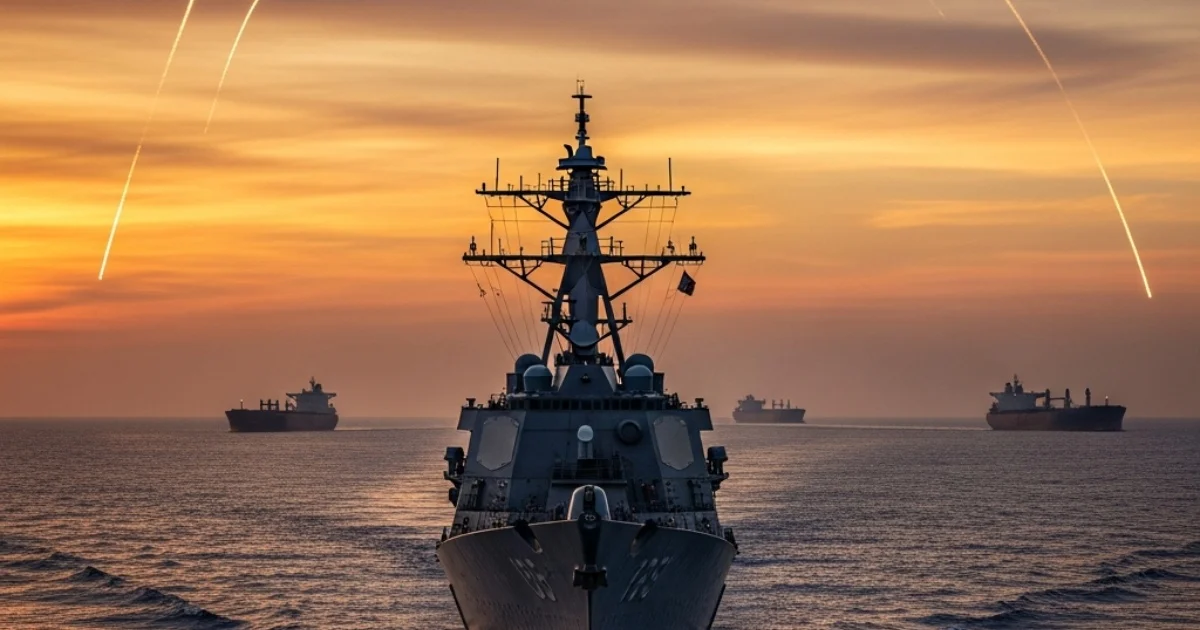
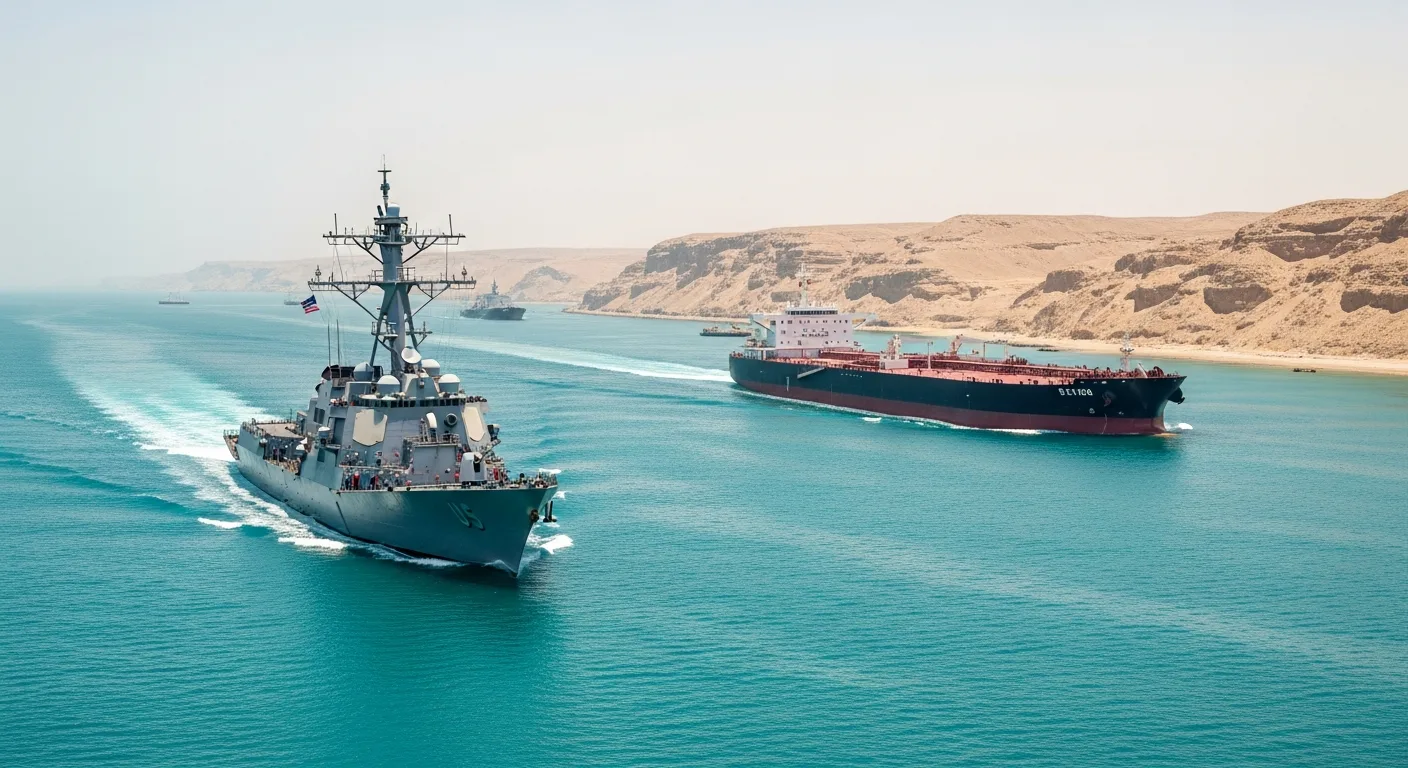
Hormuz Escalation: U.S. Neutralizes Iranian Surveillance Nodes Following Tanker Sabotage
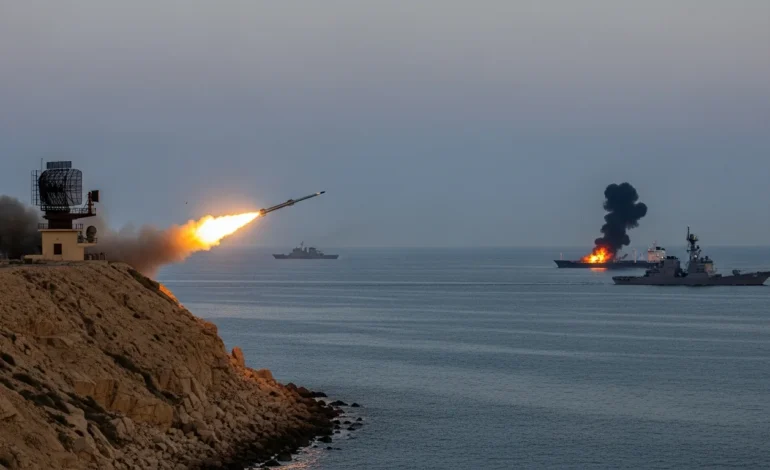
The Strait of Hormuz has long functioned as the primary pressure point for global energy security, a reality that has now shifted into a direct kinetic exchange between Washington and Tehran. U.S. Central Command (CENTCOM) conducted a series of precision airstrikes against 10 specific military targets within Iranian territory on June 27 and 28, 2026.
These operations targeted Iranian communication arrays and military surveillance infrastructure critical to Tehran’s control over the Hormuz region. The Pentagon characterized the strikes as a necessary response to a drone-led assault on a Panama-flagged commercial tanker that occurred on Saturday, June 27.
Iran’s Revolutionary Guard initiated retaliatory strikes shortly after, launching missile and drone swarms against U.S. military installations in Bahrain and Kuwait. The Iranian Tasnim News Agency confirmed these actions, framing them as a calculated response to the infringement of Iranian territorial integrity.
Diplomatic Fractures and the Baghdad Summit
While military assets engaged across the Persian Gulf, Iranian Foreign Minister Abbas Araghchi arrived in Baghdad on Sunday for high-stakes consultations with Iraqi Foreign Minister Fouad Hussein. These discussions focused on containing the fallout of the current exchange, which has severely undermined a fragile ceasefire previously established in West Asia.
President Donald Trump heightened the rhetorical stakes from Washington, warning that the Iranian state could “no longer exist” if the U.S. military is forced to complete its operational objectives. U.S. officials concurrently accused Tehran of violating established truce agreements by specifically targeting commercial shipping lanes in international waters.
Strategic Blinding of Coastal Defenses
The decision to prioritize surveillance and communication nodes over naval vessels suggests a U.S. strategy aimed at “blinding” Iranian coastal monitoring capabilities. By degrading these systems, CENTCOM may be seeking to create a permissive environment for international shipping without initiating a full-scale naval blockade.
The military has released high-definition footage of the second day of strikes to validate the destruction of these tactical assets. Despite the intensity of the fire exchange, Nancy Youssef of The Atlantic reported that negotiators are still attempting to maintain the architecture of a permanent peace deal behind the scenes.
Related Coverage
- Trump Vows Escalated Military Action Against Iran Following Drone Interceptions in Strait of Hormuz
- US Navy Deploys ‘Project Freedom’ to Guard Strait of Hormuz After Iranian Attacks
Frequently Asked Questions
What specific Iranian military branches were involved in the retaliation?
The Iranian Revolutionary Guard assumed responsibility for the missile and drone strikes directed at U.S. bases in Bahrain and Kuwait. These units are traditionally tasked with asymmetric naval warfare and regional missile operations.
How has the ceasefire status changed since the June 27 tanker attack?
The ceasefire is currently described by regional analysts as severely undermined due to the direct targeting of commercial vessels and subsequent state-on-state strikes. Both Washington and Tehran have accused the other of violating the core tenets of the truce.
What was the primary objective of the U.S. strikes on June 28?
The second day of consecutive strikes focused on further degrading Iranian military surveillance infrastructure. This is intended to prevent the coordination of future drone attacks against commercial shipping in the Strait of Hormuz.